Lead exposure produces no smell, no colour, no immediate pain — and that invisibility is exactly what makes it one of the most dangerous environmental health threats facing families and communities today.
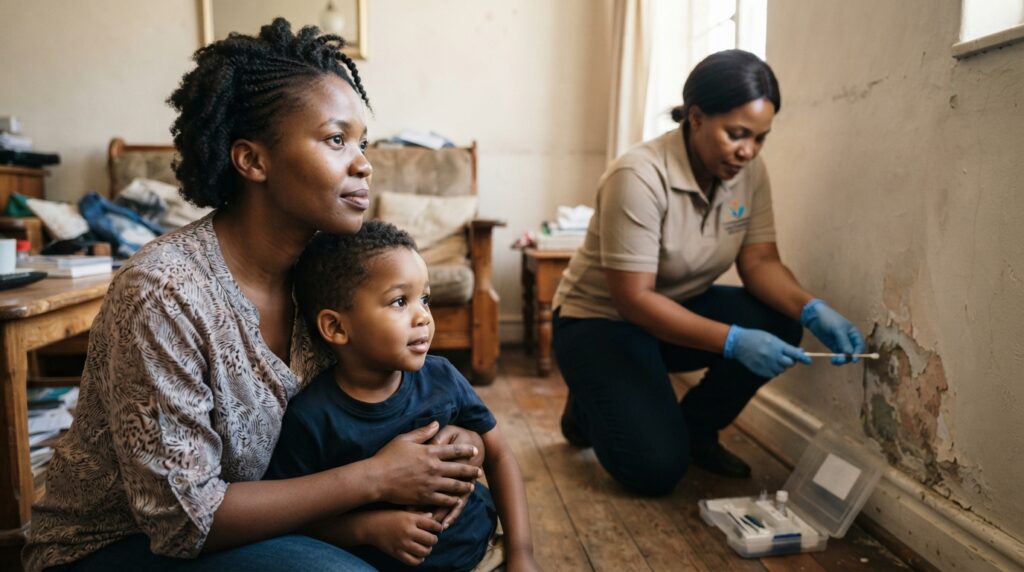
Lead exposure is one of the most serious and least visible environmental health threats affecting communities around the world and one of the most preventable. Lead is a naturally occurring heavy metal that has no safe level of exposure in the human body. It cannot be seen, smelled, or tasted. It accumulates silently in bones, blood, and tissues. And its effects particularly on young children and pregnant women can be devastating and in many cases irreversible.
According to the World Health Organization, lead exposure is estimated to account for 21.7 million years of healthy life lost globally each year, with children under five bearing the heaviest burden. In many developing communities and older urban housing environments, sources of lead remain widespread — in old paint, contaminated soil, unregulated imported goods, certain cookware, and water pipes yet awareness of the risks remains critically low.
At Compassionate HealthEd Foundation (CHF), we believe that environmental health education is as essential as any other form of community health protection. Here are 6 powerful ways lead exposure can harm your health and what every family needs to know to stay safe.
Where does lead exposure come from?
Before exploring the health effects, it is important to understand the common sources of lead exposure in everyday environments. Lead was used extensively in paint, fuel, plumbing, and industrial products throughout the 20th century, and its legacy remains in many homes, communities, and supply chains today.
Old paint (pre-1978 homes)Most common source for children
Contaminated soil and dustNear old buildings or industrial sites
Unregulated imported goodsToys, jewellery, cosmetics, spices
Old plumbing and pipesParticularly in older urban housing
Certain traditional remediesSome contain undisclosed lead compounds
Occupational exposureConstruction, battery recycling, mining
6 powerful ways lead exposure harms your health
1) Brain and neurological damage — especially in children
The most devastating effect of lead exposure is its impact on the developing brain. Children under six are particularly vulnerable because their brains are still forming, their bodies absorb lead at a higher rate than adults, and they are more likely to come into contact with contaminated dust, soil, and paint through normal hand-to-mouth behaviours. Even low levels of lead exposure in children are associated with reduced IQ, impaired learning and memory, shortened attention span, increased impulsivity and aggression, and delayed language development. The CDC confirms there is no safe blood lead level in children — any detectable amount causes harm. These neurological effects are largely irreversible, which is why prevention is the only truly effective intervention.
2) Kidney damage and reduced renal function
The kidneys are among the primary organs through which the body attempts to excrete lead — and chronic lead exposure causes progressive damage to kidney tissue in the process. Long-term lead exposure is a recognised cause of chronic kidney disease, reducing the kidneys’ ability to filter waste from the blood, regulate blood pressure, and maintain fluid and electrolyte balance. This damage compounds over time and can significantly accelerate kidney disease in people who are already at risk. Given the high rates of hypertension in many of our communities — itself a leading cause of kidney disease — lead exposure adds a particularly dangerous layer of risk.
3) Cardiovascular disease and high blood pressure
Lead exposure has a direct and well-documented effect on the cardiovascular system. It disrupts the normal function of blood vessel walls, promotes inflammation in the arteries, and interferes with the body’s ability to regulate blood pressure. Studies have found a clear association between elevated blood lead levels and increased risk of hypertension, heart attack, and stroke — even at exposure levels previously considered safe. For communities already facing high rates of cardiovascular disease, understanding lead exposure as an additional and modifiable risk factor is an important piece of the health picture. You can read more about protecting heart health in our post on everyday habits damaging your heart.
4) Reproductive harm and pregnancy complications
Lead exposure poses significant risks to reproductive health in both men and women. In women, lead is stored in bones and is mobilised during pregnancy and breastfeeding exposing the developing foetus and infant directly. Prenatal lead exposure is associated with premature birth, low birth weight, miscarriage, and impaired foetal brain development. In men, lead exposure is associated with reduced sperm quality and fertility. For families planning pregnancies or currently pregnant, understanding and minimising lead exposure is an urgent health priority one that CHF’s Women’s Health programs seek to address through community education.
5) Anaemia and disrupted blood production
Lead interferes directly with the body’s ability to produce haemoglobin the protein in red blood cells that carries oxygen through the body. This interference results in lead-induced anaemia, which produces symptoms including fatigue, weakness, pale skin, shortness of breath, and reduced physical and cognitive performance. This form of anaemia compounds the effects of nutritional anaemia already highly prevalent in many of our communities due to iron deficiency creating a double burden that is particularly harmful for women of reproductive age and young children. Simple blood tests can identify both lead exposure and anaemia simultaneously.
6) Immune system suppression and increased infection risk
Research increasingly shows that lead exposure suppresses immune function reducing the body’s ability to fight off infections and respond appropriately to vaccines. Children with elevated blood lead levels show impaired immune responses, making them more vulnerable to common infectious diseases and less protected by immunisation programs. In communities where infectious disease burden is already high and healthcare access is limited, lead-related immune suppression is a compounding vulnerability that deserves far more attention than it currently receives. Reducing lead exposure is therefore also a strategy for strengthening community-wide immune resilience.
Important: Lead poisoning often has no obvious symptoms until damage is already significant. The only reliable way to detect lead exposure is through a blood lead level test. If you live in older housing, work in high-risk industries, or have young children with unexplained developmental or behavioural concerns, speak with a healthcare provider about testing.
How to protect your family from lead exposure
The most important message about lead exposure is that it is preventable — and prevention starts with awareness. Here are the most practical protective steps every household can take.
If you live in a home built before 1978, inspect painted surfaces regularly for peeling, chipping, or deteriorating paint — particularly in areas children touch frequently. Do not sand or scrape old paint without proper protective equipment and professional guidance. Keep floors, windowsills, and play areas clean of dust using damp mopping rather than dry sweeping, which can aerosolise lead particles. Wash children’s hands frequently, particularly before meals and after outdoor play in areas near old buildings or industrial sites.
Be cautious about imported goods particularly toys, jewellery, certain cosmetics, and spices that may not meet safety standards. Run cold water for 30 seconds before using tap water for drinking or cooking in homes with older plumbing. Maintain a diet rich in calcium, iron, and vitamin C, which reduce the body’s absorption of lead. And if you work in a high-risk occupation construction, battery manufacturing, mining, or painting follow all workplace safety protocols and change clothes before returning home to avoid bringing lead dust into living spaces.
How CHF addresses environmental health in communities
Environmental health including awareness of lead exposure and other invisible toxins is an increasingly important component of CHF’s Preventive Health Education Campaigns. We believe that communities cannot protect what they cannot see, and that health education must extend beyond individual behaviour into the environments where people live, work, and raise their children. Our Community Health Outreach Program connects families with screening resources and practical guidance on environmental health risks including lead exposure.
The threat you cannot see demands the attention you can give
Lead exposure does not announce itself. It does not produce a rash, a fever, or a pain that drives you to seek care. It works silently accumulating in the blood, the bones, and the brain and its effects unfold over months and years in ways that are easy to attribute to other causes. A child who is struggling in school. Persistent fatigue. High blood pressure that does not respond well to treatment. Recurring anaemia. These can all be expressions of a toxic burden that was invisible from the start.
Knowing about lead exposure where it comes from, what it does, and how to reduce it is an act of protection for your family and your community. Share this article. Talk about it with parents, caregivers, and community leaders. Ask your healthcare provider about blood lead testing. The health threat you cannot see becomes far less dangerous the moment you know it is there.
Community tip: If your home has old paint or old plumbing, damp-mop floors instead of dry sweeping, and run the tap for 30 seconds before using water for cooking or drinking. These two habits alone significantly reduce daily lead exposure for your whole family.
Belinda Mesape, DNP, MSPH, APRN, ACNPC-AG, CNE
Founder & Executive Director, Compassionate HealthEd Foundation Inc.
About CHF
Compassionate HealthEd Foundation brings equitable health education to underserved communities. Learn more at compassionatehealthed.org or support our work today.