Table of Contents
- Why High Blood Pressure Is Called the Silent Killer
- Know Your Numbers: Understanding Blood Pressure Readings
- Sign 1: Persistent Headaches
- Sign 2: Blurred or Changed Vision
- Sign 3: Dizziness and Feeling Off-Balance
- Sign 4: Chest Tightness or Discomfort
- Sign 5: Shortness of Breath
- Sign 6: Frequent Nosebleeds
- Sign 7: Buzzing or Ringing in the Ears
- How to Protect Your Heart Every Day
- How CHF Is Fighting Hypertension in Communities
Why High Blood Pressure Is Called the Silent Killer
The early warning signs of high blood pressure are so subtle that most people live with this condition for years without ever knowing it. That is exactly why doctors and health organizations around the world call hypertension “the silent killer” it damages your heart, kidneys, brain, and blood vessels quietly, without dramatic symptoms, until it is suddenly, devastatingly too late.
According to the World Health Organization, an estimated 1.28 billion adults worldwide live with hypertension and nearly half of them do not know they have it. In underserved communities where access to routine health checks is limited, this number is even more alarming.
The good news is that when you learn to recognize the early warning signs of high blood pressure, you give yourself and your family a real chance to act before a stroke, heart attack, or kidney failure strikes. This guide is written for every family because knowing these signs truly saves lives.
Know Your Numbers: Understanding Blood Pressure Readings
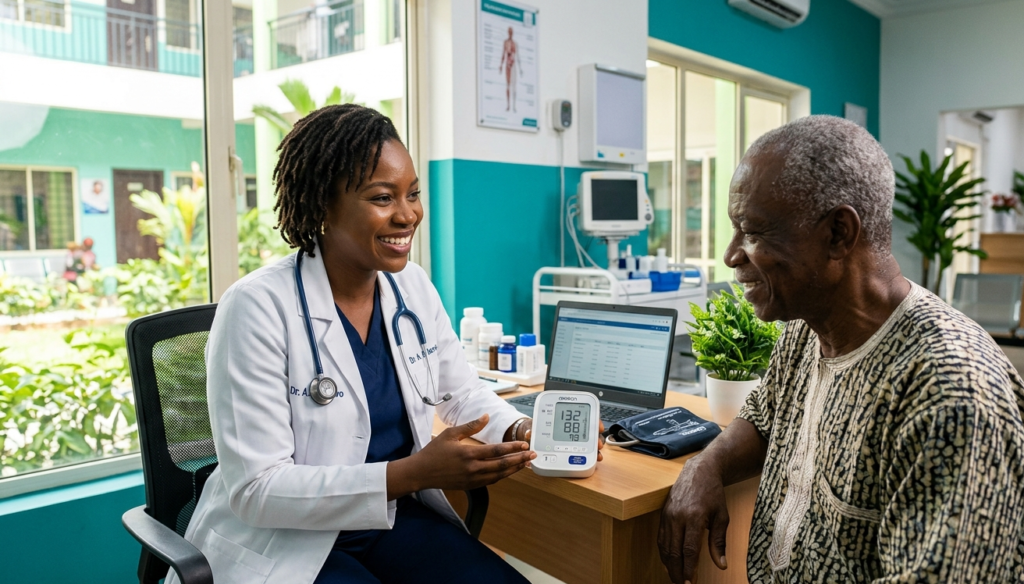
Before we explore the early warning signs of high blood pressure, it helps to understand what a blood pressure reading actually means. Blood pressure is measured in two numbers — systolic (pressure when the heart beats) over diastolic (pressure when it rests).
Blood Pressure Categories — What the Numbers Mean
| Category | Systolic (mmHg) | Diastolic (mmHg) | What to Do |
|---|---|---|---|
| Normal | Less than 120 | Less than 80 | Maintain healthy lifestyle |
| Elevated | 120 – 129 | Less than 80 | Lifestyle changes needed |
| High — Stage 1 | 130 – 139 | 80 – 89 | See a doctor soon |
| High — Stage 2 | 140 or higher | 90 or higher | Seek medical care promptly |
| Hypertensive Crisis | Higher than 180 | Higher than 120 | Emergency — call for help now |
The 7 Early Warning Signs of High Blood Pressure
Sign 1
Persistent Headaches — One of the Most Recognized Early Warning Signs of High Blood Pressure
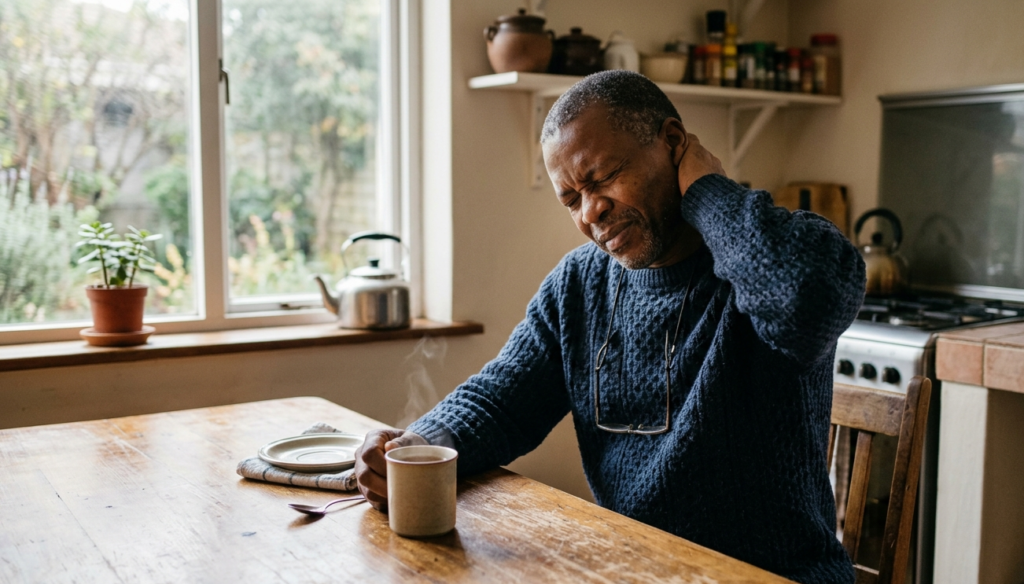
Not every headache is a sign of hypertension but a persistent, dull throbbing headache that appears regularly, especially at the back of the head in the morning, deserves attention. When blood pressure rises significantly, the increased force against blood vessel walls can trigger pressure headaches that do not respond well to ordinary pain relief.
If you or a family member experiences frequent unexplained headaches alongside other symptoms on this list, do not ignore them. Your body may be sending you an important signal.
Sign 2
Blurred or Changed Vision
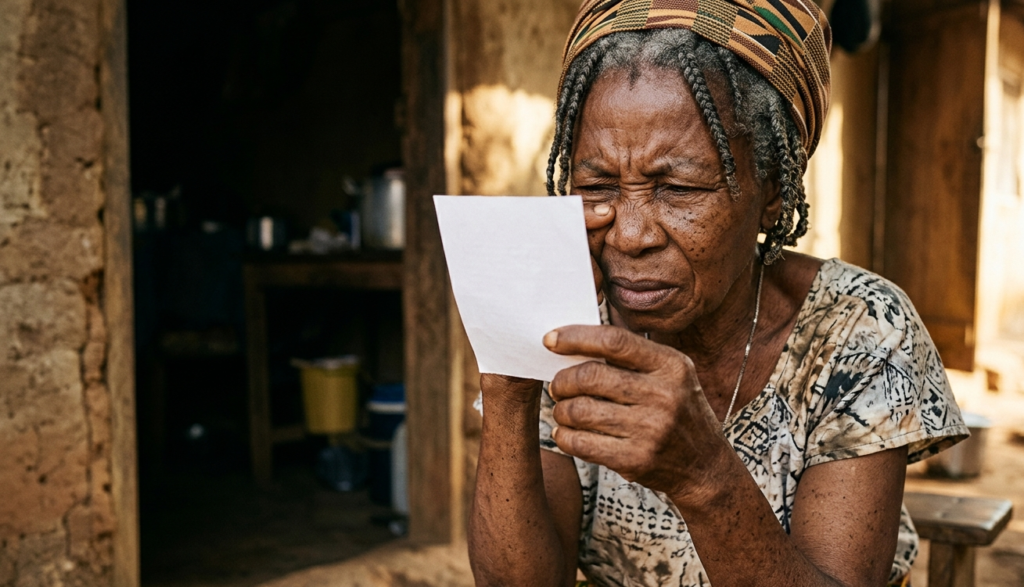
The eyes contain some of the most delicate blood vessels in the entire body — and high blood pressure damages them faster than almost any other organ. Blurred vision, seeing spots, or noticing changes in how clearly you see can all be early warning signs of high blood pressure affecting the blood vessels behind the eyes.
Left unmanaged, hypertension can lead to hypertensive retinopathy — permanent damage to the retina that causes vision loss. This is entirely preventable when caught early.
Sign 3
Dizziness and Feeling Off-Balance
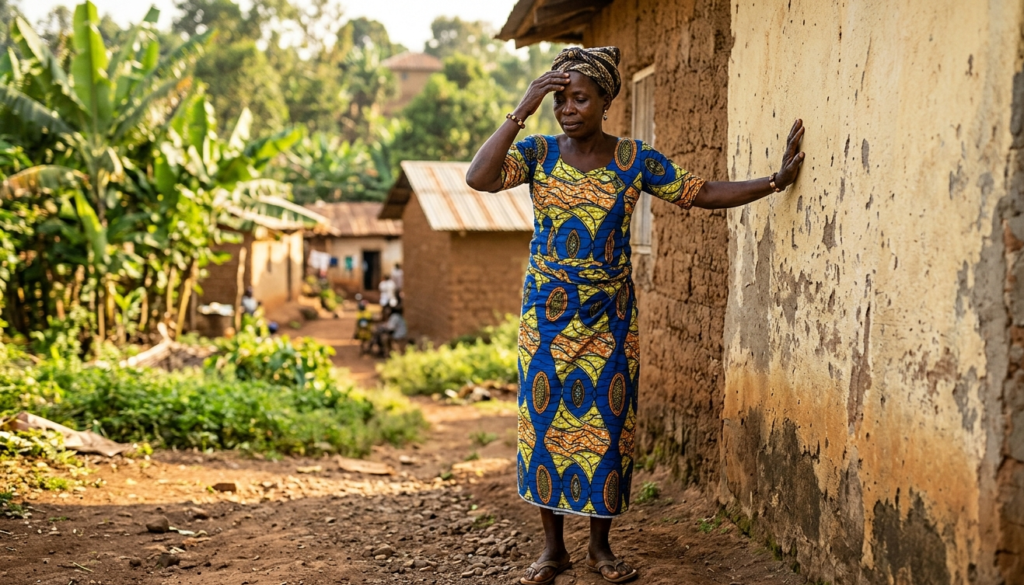
Feeling suddenly lightheaded, unsteady, or as though the room is spinning can indicate that blood pressure has spiked rapidly. While dizziness alone has many causes, when it occurs alongside other warning signs of hypertension — particularly after physical exertion or stress — it should never be brushed aside as ordinary tiredness.
In communities where people work long physical hours in heat without adequate rest or hydration, these episodes are particularly easy to misattribute. Trust your body — and check your pressure.
Sign 4
Chest Tightness or Discomfort
The heart works harder than it should when blood pressure is chronically elevated — and over time, this extra effort causes the heart muscle to thicken and strain. Chest tightness, pressure, or a sensation of heaviness — even without sharp pain — can be one of the most serious early warning signs of high blood pressure affecting the heart.
The American Heart Association urges anyone experiencing chest discomfort alongside elevated blood pressure readings to seek urgent care without delay.
Sign 5
Shortness of Breath
When the heart is under sustained pressure, fluid can accumulate in the lungs — making breathing feel labored even during gentle activity or rest. Shortness of breath that seems disproportionate to your level of exertion is a flag that the cardiovascular system is under stress. The CDC identifies breathing difficulty as a sign that hypertension may already be affecting heart and lung function.
Sign 6
Frequent Nosebleeds
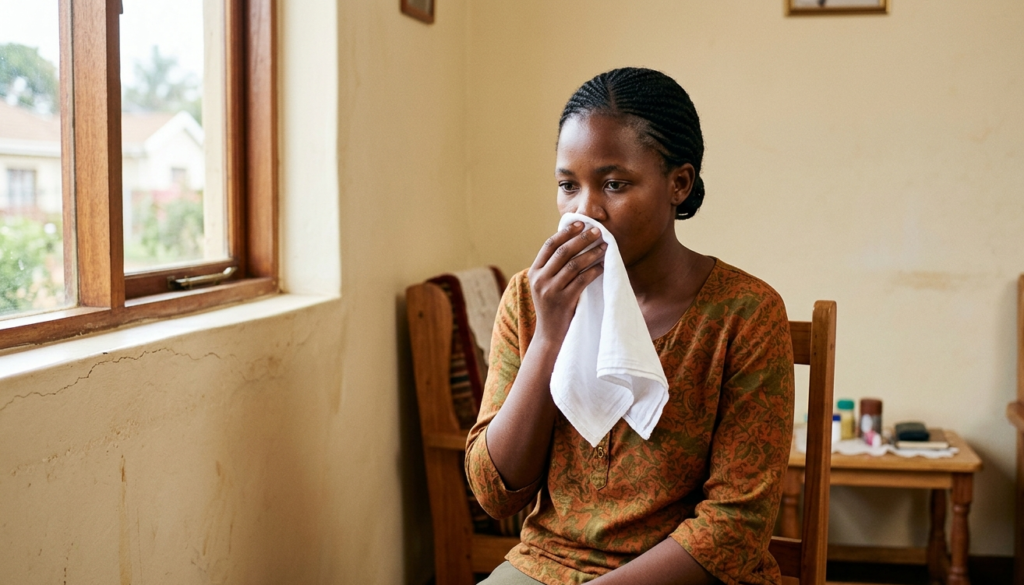
While most nosebleeds are harmless and caused by dry air or minor irritation, frequent or unexplained nosebleeds — particularly in someone who has other risk factors for hypertension like obesity, a salty diet, or a family history of heart disease — can occasionally signal that blood pressure is dangerously elevated.
This connection is more common during a hypertensive crisis (readings above 180/120) when the extreme pressure in small blood vessels causes them to rupture. If nosebleeds occur alongside other early warning signs of high blood pressure on this list, take it seriously.
Sign 7
Buzzing or Ringing in the Ears
A persistent ringing, buzzing, or whooshing sound in one or both ears — known as tinnitus — can in some cases be linked to elevated blood pressure. When blood flows with increased force through the vessels near the ears, the turbulence can produce these sounds. While tinnitus has multiple causes, its appearance alongside other early warning signs of high blood pressure warrants a blood pressure check.
Many people in communities we serve dismiss this symptom as simply “getting older” or “working in noisy environments.” That dismissal can be dangerous — especially when hypertension is the true underlying cause.
How to Protect Your Heart and Blood Pressure Every Day
The most powerful thing you can do after learning the early warning signs of high blood pressure is to take action — both to get tested and to make daily choices that keep your heart strong. Prevention is always better than crisis management.
- Check your blood pressure regularly — at least once a year if you are over 30
- Reduce salt intake — cook with less salt and avoid processed and packaged foods
- Eat more fruits, vegetables, and whole grains every day
- Stay physically active — even 30 minutes of brisk walking 5 days a week makes a difference
- Maintain a healthy weight — excess weight significantly raises blood pressure
- Limit alcohol and avoid tobacco in all forms
- Manage stress through rest, community, prayer, and activities you enjoy
- Take prescribed blood pressure medication consistently — do not stop when you feel better
How Compassionate HealthEd Foundation Is Fighting Hypertension in Communities
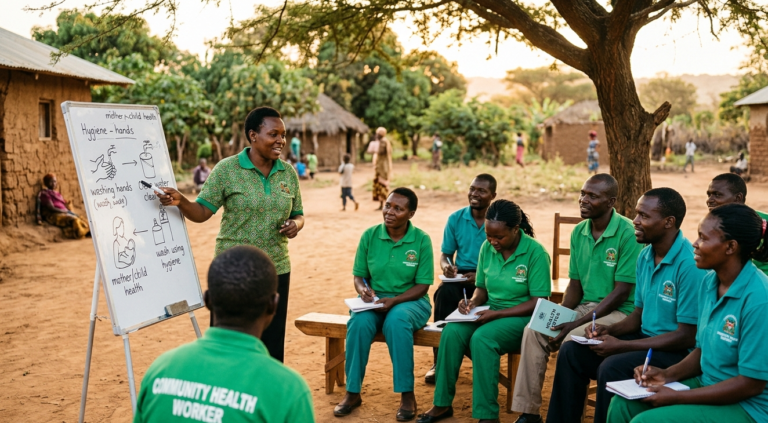
At CHF, we know that knowing the early warning signs of high blood pressure means nothing if families do not have access to testing and care. That is why our Community Health Outreach Program brings free blood pressure screenings, health education, and referrals directly into villages, markets, schools, and homes.
Our Preventive Health Education Campaigns train community members to understand hypertension risk, recognize warning signs early, and make lifestyle changes that genuinely protect the whole family. And through our Women & Youth Empowerment Initiative, we specifically address the rising rates of hypertension among women and young adults in underserved communities.
No family should lose a parent, grandparent, or breadwinner to a condition that is both detectable and manageable. With awareness, access, and compassionate support — the silent killer does not have to win.