Introduction:
Sustainable community development is impossible without strong health systems. While hospitals and emergency care are essential, true long-term progress begins with preventive healthcare. In underserved communities, where access to medical facilities may be limited, prevention is not just beneficial it is essential.
Preventive healthcare in underserved communities reduces disease, strengthens families, improves economic stability, and creates the foundation for sustainable development. When communities understand how to prevent illness before it begins, they build resilience that lasts for generations.
What Is Preventive Healthcare?
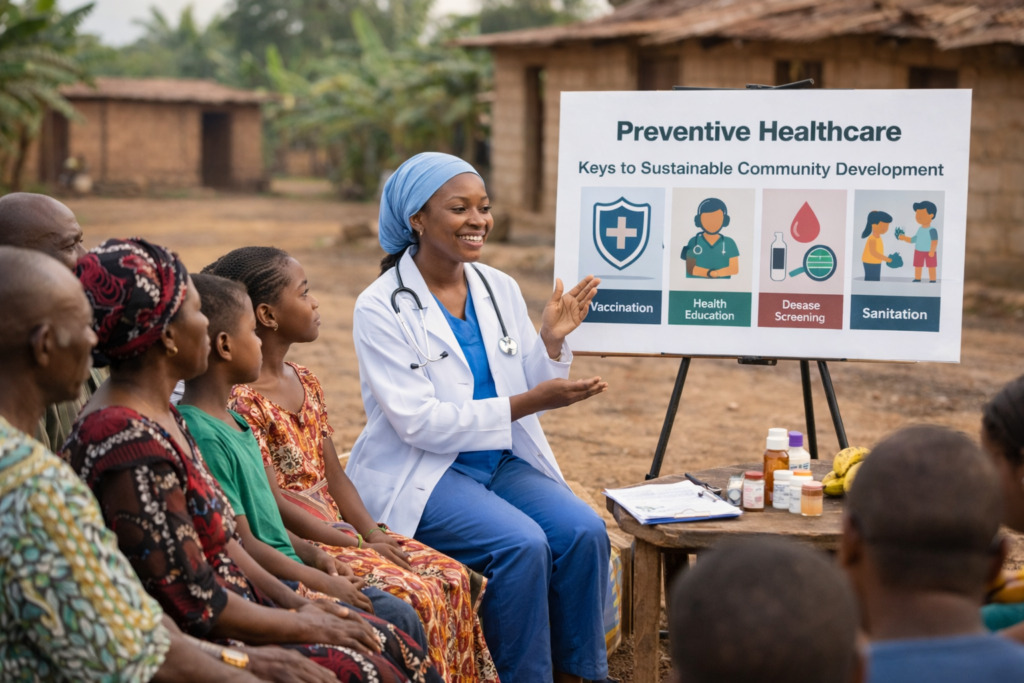
According to the World Health Organization, preventive healthcare focuses on reducing disease risks and promoting well-being before illness occurs. ,https://www.cdc.gov/chronic-disease/prevention/preventive-care.html It includes:
- Health education and awareness
- Vaccinations and immunizations
- Regular screenings and early detection
- Nutrition education
- Sanitation and hygiene practices
- Lifestyle improvements
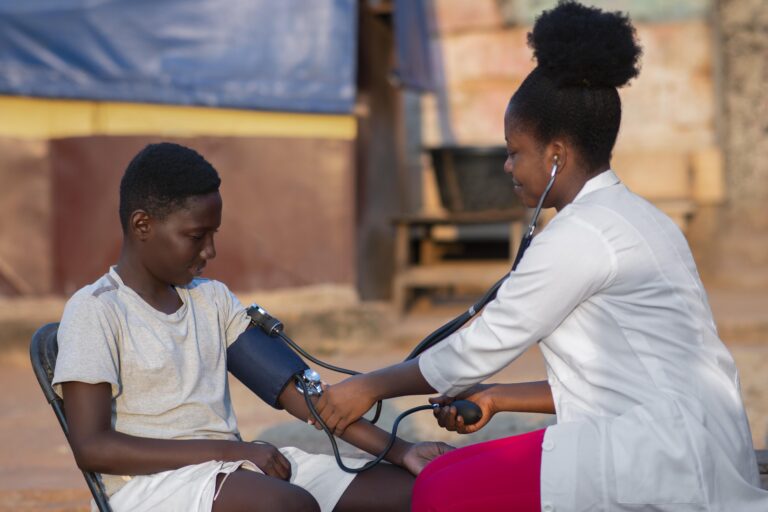
Instead of reacting to health crises, preventive healthcare equips individuals with knowledge and tools to protect themselves and their families.
In communities with limited resources, this proactive approach is often the most effective and affordable solution.
Why Underserved Communities Need Preventive Healthcare the Most
Underserved communities often face multiple challenges:
- Limited access to hospitals and clinics
- Financial barriers to medical care
- Low health literacy levels
- Higher exposure to preventable diseases
Without preventive systems in place, minor health issues can quickly become life-threatening. A simple infection, untreated hypertension, or lack of maternal education can result in serious consequences.
Preventive healthcare reduces these risks by empowering individuals with knowledge and early intervention tools. It shifts healthcare from crisis response to community empowerment.
Research from global health organizations shows that underserved populations experience higher rates of preventable diseases due to limited access to care.https://pip.worldbank.org/
How Preventive Healthcare Reduces Poverty and Economic Strain
Health and poverty are closely connected. When individuals fall ill frequently, families lose income, face medical expenses, and struggle to meet basic needs.
Preventive healthcare breaks this cycle by:
- Reducing hospital visits and emergency costs
- Minimizing time away from work and school
- Preventing long-term chronic illnesses
- Lowering financial burdens on families
Healthy individuals are more productive. Healthy children attend school more consistently. Healthy parents can work and provide for their households. Over time, this leads to economic growth at both the family and community levels.
Sustainable development begins with healthy people.
The Link Between Health Education and Long-Term Development
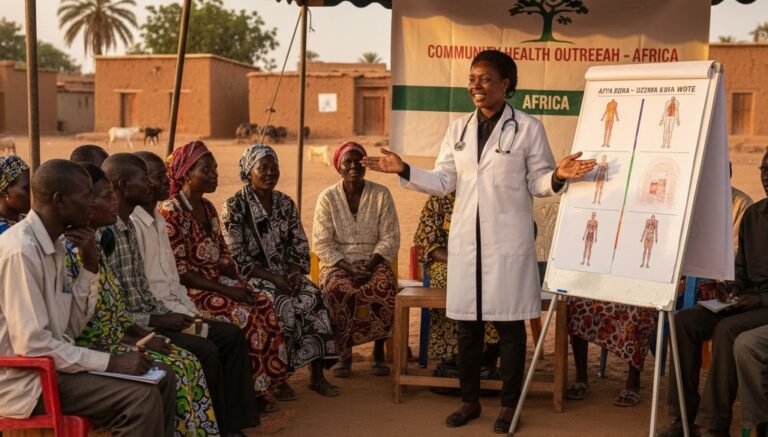
Health education is one of the most powerful tools in preventive healthcare. When people understand how diseases spread, how nutrition affects the body, and why hygiene matters, they make informed decisions.
Health education contributes to development by:
- Encouraging early care-seeking behavior
- Reducing misinformation and harmful myths
- Promoting maternal and child health
- Strengthening community trust in health initiatives
Communities that prioritize health education experience fewer outbreaks, lower mortality rates, and improved overall well-being.
Knowledge creates independence. Independence creates sustainability
How Grassroots Health Programs Create Sustainable Change
Large-scale interventions are important, but community-based programs often create deeper and longer-lasting impact. Grassroots health programs:
- Address local health challenges directly
- Use culturally relevant communication
- Build trust within communities
- Encourage community participation
When community members are involved in health education efforts, change becomes internal rather than imposed. This leads to stronger adoption of preventive practices.
Sustainable community development is not just about infrastructure — it is about empowering people to take ownership of their health.
The Role of Compassionate HealthEd Foundation in Strengthening Community Health
At Compassionate HealthEd Foundation, preventive healthcare is central to our mission. Through health education, outreach initiatives, and awareness campaigns, we work to equip underserved communities with practical knowledge that improves daily life.
Our approach focuses on:
- Promoting health literacy
- Encouraging preventive health behaviors
- Supporting vulnerable families
- Strengthening community resilience
We believe that lasting development begins with informed and empowered individuals. By prioritizing prevention, we contribute to healthier families, stronger communities, and a more sustainable future.
Conclusion
Preventive healthcare is not an optional addition to development efforts it is the foundation of sustainable progress. In underserved communities, prevention reduces disease, protects livelihoods, and empowers individuals to thrive.
When communities invest in health education and preventive care, they invest in their future.
Sustainable development begins with prevention.