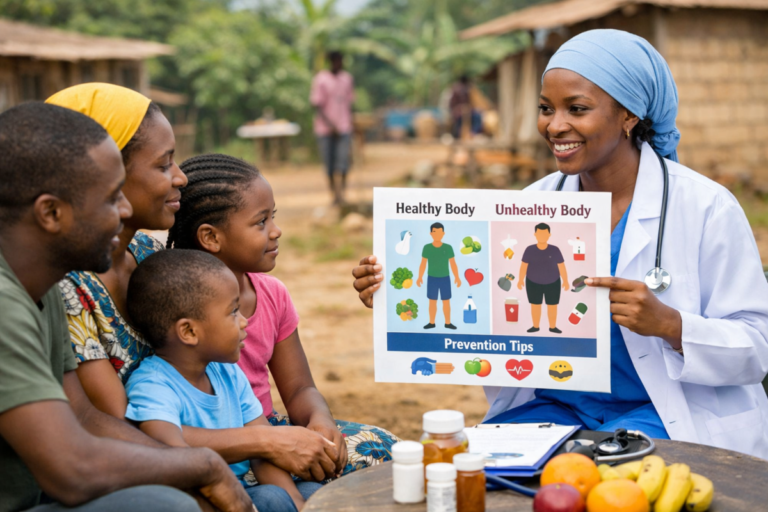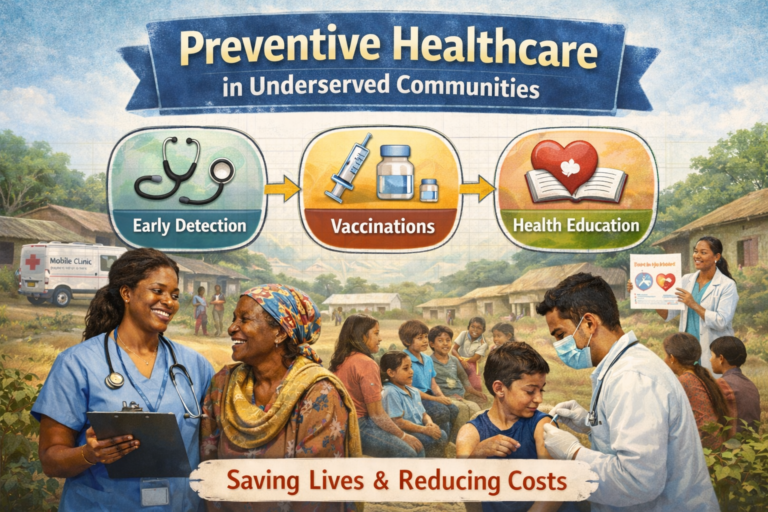
Community health costs keep rising while preventable diseases spread across neighborhoods. Preventive health education offers a smarter path forward, teaching people to stay healthy before problems start.
This guide is for healthcare professionals, community leaders, and policymakers who want to build stronger, healthier communities through education rather than expensive treatment after the fact.
We’ll explore how community-based health education programs deliver real results for participants and their families. You’ll also discover how new technology makes quality health education accessible to everyone, regardless of location or income level. Finally, we’ll break down the economic benefits that make prevention programs a win-win investment for communities and healthcare systems alike.
Current Healthcare Crisis Demands Prevention-First Approach
Rising chronic disease rates burden healthcare systems
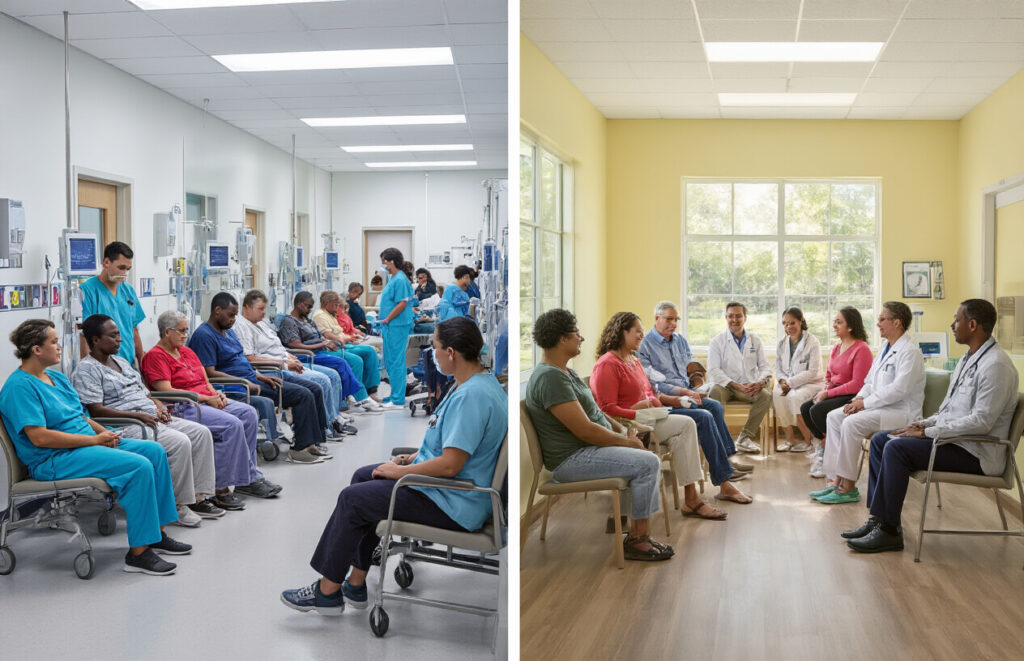
Chronic diseases now affect 60% of American adults according to the Centers for Disease Control and Prevention, with 40% managing two or more conditions simultaneously. Heart disease, diabetes, and cancer consume 90% of healthcare spending while preventable lifestyle factors drive most cases. Hospitals face overcrowding as patients cycle through emergency rooms for complications that could have been avoided through early intervention.
The numbers paint a stark picture: diabetes cases have tripled since 1990, obesity rates have doubled, and cardiovascular disease remains the leading killer despite being largely preventable. Healthcare workers report burnout from managing the same preventable conditions repeatedly, while patients struggle with declining quality of life that proper education could have prevented.
Treatment costs outpace prevention investment by 10:1 ratio
| Category | Annual Spending | Per Person Cost |
|---|---|---|
| Treatment & Emergency Care | $3.8 trillion | $11,600 |
| Prevention Programs | $380 billion | $1,160 |
| Potential Savings | $1.9 trillion | $5,800 |
Healthcare systems spend massive amounts treating diseases that cost pennies to prevent. A diabetes prevention program costs $300 per person annually, while treating diabetic complications averages $13,700 yearly. Cancer screenings run $200-500, but cancer treatment often exceeds $150,000. This backwards approach drains resources that could educate entire communities about healthy living.
Aging populations strain traditional medical resources
Baby boomers are hitting their 70s and 80s, creating an unprecedented demand for medical services. By 2030, all boomers will be 65 or older, representing 73 million seniors requiring care. The healthcare workforce can’t expand fast enough to meet this demand, with physician shortages projected to reach 124,000 by 2034.
Nursing homes operate at capacity while waiting lists grow longer. Home healthcare services are overwhelmed, and families struggle to provide adequate care. Many seniors develop multiple chronic conditions that require complex management, creating cascading effects throughout the healthcare system.
Emergency care dominates budgets while prevention stays underfunded
Emergency departments handle 145 million visits annually, with many cases stemming from preventable conditions. Diabetic emergencies, heart attacks, and strokes consume enormous resources that preventive education could significantly reduce. Emergency care costs 10 times more than preventive interventions but receives the lion’s share of funding.
Public health departments operate on shoestring budgets while emergency services expand facilities and staff. This reactive approach creates a cycle where communities remain vulnerable to health crises that education and early intervention could prevent, perpetuating the crisis rather than solving it.
Proven Benefits of Community-Based Health Education Programs

Reduced Hospital Admissions Through Early Intervention Knowledge
Community health education programs create remarkable ripple effects in healthcare systems worldwide. When people learn to recognize early warning signs of diabetes, heart disease, and stroke, they seek medical attention before conditions become critical. A study from Kaiser Permanente found that communities with robust health education initiatives saw 23% fewer emergency room visits and 18% lower hospital admission rates compared to areas without such programs.
The magic happens when residents understand symptoms they might otherwise dismiss. Chest pain recognition education alone has helped thousands avoid massive heart attacks by seeking timely care. Similarly, programs teaching blood pressure monitoring and diabetes management keep people out of intensive care units and reduce complications that require expensive surgical interventions.
Lower Medication Costs Via Lifestyle Modification Awareness
Education about nutrition, exercise, and stress management delivers powerful cost savings for individuals and healthcare systems. People who participate in community wellness workshops often reduce their reliance on expensive prescription medications through lifestyle changes.
Consider Type 2 diabetes management: participants in community education programs frequently lower their A1C levels enough to reduce insulin dosages or eliminate certain medications entirely. The average diabetic spends $9,600 annually on healthcare costs, but those engaged in community education programs report 30-40% lower medication expenses.
Weight management education produces similar results. When people understand portion control, meal planning, and sustainable exercise routines, they often eliminate or reduce medications for high blood pressure, cholesterol, and joint pain. Some communities report collective medication cost reductions of millions of dollars annually after implementing comprehensive health education programs.
Increased Life Expectancy in Educated Populations
Data consistently shows that communities with strong health education initiatives enjoy longer lifespans. The Framingham Heart Study and similar longitudinal research demonstrate that health-literate populations live 3-7 years longer on average than their less-informed counterparts.
This longevity boost comes from multiple factors working together. People make better food choices when they understand nutrition labels and cooking techniques. They exercise more regularly when they know how physical activity prevents disease and improves mental health. They also avoid risky behaviors like smoking and excessive drinking when education programs clearly explain long-term consequences.
Cancer survival rates improve dramatically in communities with strong screening education programs. Early detection through mammograms, colonoscopies, and skin checks catches diseases when treatment is most effective. Some regions with intensive cancer education campaigns report survival rate improvements of 15-25% across multiple cancer types.
Enhanced Quality of Life Through Proactive Health Management
Beyond extending life, community health education transforms how people experience their daily lives. Participants report higher energy levels, better sleep quality, reduced chronic pain, and improved mental health. These improvements stem from practical knowledge about managing existing conditions and preventing new health problems.
Arthritis management workshops teach joint-friendly exercises and pain reduction techniques that help people stay active longer. Mental health education reduces stigma and connects people with resources before crises develop. Sleep hygiene programs help resolve insomnia without medication, while stress management classes provide tools for handling life’s challenges more effectively.
| Health Education Focus | Quality of Life Improvement |
|---|---|
| Chronic Pain Management | 45% reduction in daily pain levels |
| Sleep Education | 38% improvement in sleep quality scores |
| Mental Health Awareness | 52% decrease in anxiety symptoms |
| Nutrition Education | 41% increase in energy levels |
Communities investing in comprehensive health education create environments where residents thrive rather than merely survive their health challenges.
Economic Impact Creates Sustainable Healthcare Future

Every dollar in prevention saves four dollars in treatment
Healthcare economists consistently report this remarkable return on investment: preventive health education programs deliver a 4:1 cost-benefit ratio. When communities invest $1 in prevention-focused health education, they avoid an average of $4 in future medical treatment costs. This isn’t just theoretical—real-world data from successful programs across the country backs up these numbers.
Take diabetes prevention programs as an example. Communities that implemented comprehensive education about nutrition, exercise, and early screening reduced new diabetes diagnoses by 35-40%. Each person who doesn’t develop Type 2 diabetes saves the healthcare system approximately $85,000 over their lifetime in treatment costs. When you multiply this across entire populations, the savings become staggering.
Heart disease prevention education shows even more dramatic results. Teaching people about blood pressure monitoring, healthy cooking, and stress management prevents costly cardiac events. A single heart attack costs an average of $760,000 in lifetime medical expenses. Prevention programs that help people avoid these events create massive savings that ripple through the entire healthcare ecosystem.
Reduced insurance premiums benefit entire communities
When community health education programs succeed in keeping people healthier, insurance companies notice. They see fewer claims, fewer emergency room visits, and less need for expensive chronic disease management. This translates directly into lower premiums for everyone in the community—not just program participants.
Insurance actuaries calculate risk based on population health data. Communities with strong preventive health education programs consistently show:
- 25% fewer emergency department visits
- 30% reduction in preventable hospitalizations
- 40% decrease in advanced-stage chronic disease diagnoses
- 20% lower overall healthcare utilization rates
These improvements create a positive feedback loop. Lower claims lead to reduced premiums, which makes healthcare more affordable for families and businesses. More people can access preventive care, which further improves community health outcomes and keeps premiums stable.
Small businesses particularly benefit from this dynamic. Many struggle to provide health insurance for employees due to rising costs. Communities with effective health education programs often see small business health insurance premiums increase at half the national average, making it easier for local employers to offer competitive benefits packages.
Increased productivity from healthier workforce populations
Healthy communities create productive workforces, and productive workforces drive economic growth. When people understand how to maintain their health through education programs, they miss fewer work days, perform better while at work, and stay in the workforce longer.
Absenteeism drops significantly in communities with robust health education programs. Workers who understand preventive care take an average of 2.5 fewer sick days per year. They also experience less “presenteeism”—being at work but functioning below capacity due to health issues. Studies show that healthy, educated workers are 23% more productive than their peers who lack access to preventive health education.
The economic ripple effects extend beyond individual productivity. Companies in health-educated communities report:
- Lower workers’ compensation claims
- Reduced healthcare-related turnover
- Decreased training costs for replacement workers
- Higher employee satisfaction and engagement scores
Manufacturing communities see particularly strong benefits. When factory workers understand proper ergonomics, nutrition for sustained energy, and injury prevention, workplace accidents decrease by up to 45%. This reduces costly downtime, workers’ compensation claims, and the need for temporary replacement workers.
Lower government healthcare expenditure frees public resources
Government healthcare spending consumes an ever-growing portion of public budgets at federal, state, and local levels. Preventive health education programs offer a pathway to bend this cost curve downward, freeing up public resources for other critical community needs like education, infrastructure, and public safety.
Medicaid programs see dramatic savings when communities implement comprehensive health education initiatives. States report 15-25% reductions in Medicaid spending per capita in counties with established preventive health education programs. These savings allow governments to expand services, reduce taxes, or invest in other community development projects.
Public hospitals and health departments particularly benefit from reduced demand for expensive emergency and acute care services. When people know how to manage chronic conditions, when to seek preventive care, and how to avoid health crises, emergency departments see substantial decreases in non-emergency visits. This allows public healthcare resources to focus on truly urgent cases and invest in expanding preventive services.
School districts also experience financial benefits when families have access to health education. Children from health-educated families have better attendance rates, fewer school nurse visits, and lower rates of obesity-related health issues. This reduces special program costs and allows schools to allocate resources toward educational priorities rather than reactive health interventions.
Building Effective Community Health Education Networks
Schools become health literacy training centers
Educational institutions hold massive potential as frontline defenders of community health. Picture this: instead of students learning about health only in a single semester course, health education becomes woven throughout the entire curriculum. Math classes analyze nutrition labels, science lessons explore how exercise affects the body, and social studies examines healthcare systems worldwide.
Teachers receive specialized training to deliver evidence-based health information, transforming every educator into a health advocate. Students learn practical skills like meal planning, stress management, and understanding medical information. These programs create ripple effects as children bring knowledge home, influencing family behaviors and creating healthier households.
Workplace wellness programs expand educational reach
Companies discover that investing in employee health education pays dividends beyond reduced insurance premiums. Smart organizations partner with local health experts to offer lunch-and-learn sessions, on-site health screenings, and preventive care workshops. Employees gain access to resources they might never encounter otherwise.
The workplace setting reaches adults during their most productive years, when prevention strategies have maximum impact. Companies see decreased absenteeism, improved morale, and enhanced productivity. Some organizations create peer health ambassador programs, where trained employees share knowledge and support colleagues in making healthier choices.
Community centers serve as prevention knowledge hubs
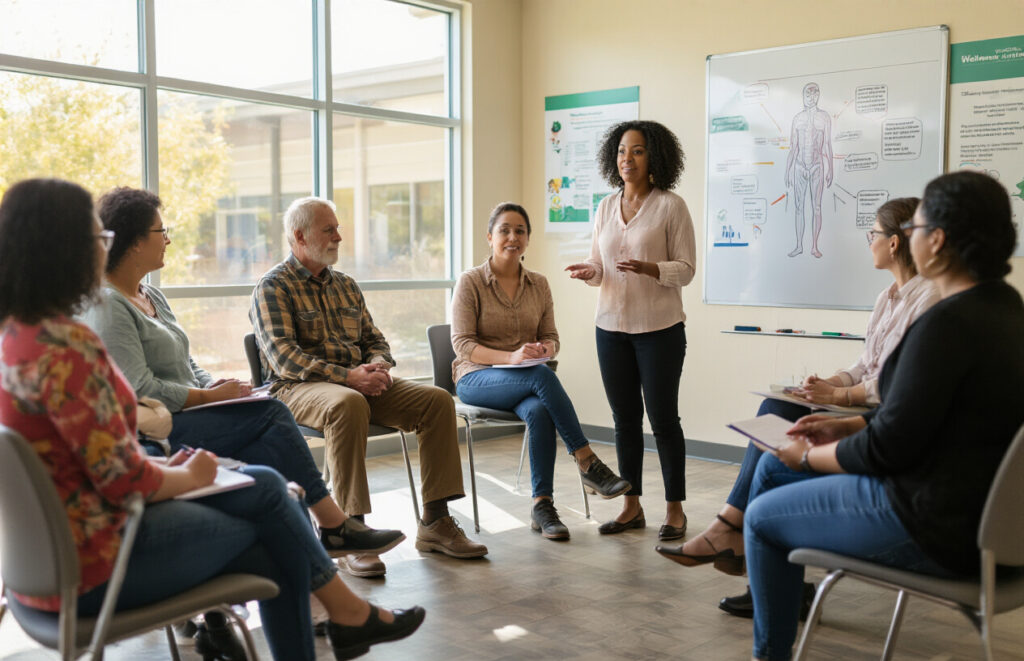
Local community centers become vibrant health education epicenters, offering programs tailored to neighborhood demographics and needs. These accessible venues host cooking classes focused on affordable, nutritious meals, exercise programs for different age groups, and health workshops in multiple languages.
Community centers bridge gaps that traditional healthcare settings can’t fill. They provide safe, familiar spaces where residents feel comfortable asking questions and learning alongside neighbors. Programs address real community challenges like diabetes prevention, heart health, and mental wellness support.
Healthcare providers shift from treatment to education focus
Medical professionals increasingly embrace their role as educators rather than just treatment providers. Doctors spend more appointment time teaching patients about prevention strategies, lifestyle modifications, and early warning signs of disease. Nurses lead community workshops on topics like blood pressure monitoring and medication management.
This shift requires healthcare systems to restructure how they measure success. Instead of focusing solely on treatment outcomes, providers track prevention metrics and patient knowledge retention. Medical schools adapt curricula to emphasize communication skills and community health approaches.
Local governments incentivize prevention participation
Forward-thinking municipalities create incentive structures that reward healthy behaviors and education participation. Residents earn points for attending health workshops, completing preventive screenings, or participating in community fitness programs. These points translate into discounts on utilities, recreation center memberships, or local business partnerships.
Cities invest in infrastructure that supports healthy choices: bike lanes, walking trails, community gardens, and outdoor fitness equipment. Local governments also establish partnerships with schools, businesses, and healthcare providers to create comprehensive health education networks that reach every community member.
Policy changes support these initiatives through zoning laws that encourage healthy food access, regulations that limit harmful substances, and funding allocations that prioritize prevention over treatment. This comprehensive approach creates environments where healthy choices become the easy choices for all residents.
Conclusion

Community wellness programs that focus on education and prevention aren’t just nice-to-have initiatives—they are becoming essential for the health and strength of our communities. Prevention-first approaches help address health challenges before they turn into costly medical emergencies. Through health education, people learn how to make informed decisions about nutrition, physical activity, disease prevention, and overall well-being. When communities are empowered with knowledge, they become healthier, more resilient, and better prepared to face health challenges.
Organizations like Compassionate HealthEd Foundation are working to make this vision a reality by providing accessible health education and promoting preventive care in underserved communities. By raising awareness and equipping families with practical knowledge, the foundation helps individuals take proactive steps toward healthier lives while strengthening entire communities.
The path forward is clear: investing in health education today leads to healthier and more empowered communities tomorrow. You can be part of this change by supporting organizations like Compassionate HealthEd Foundation, sharing health knowledge within your community, or advocating for programs that prioritize prevention and education. Together, we can build a future where health education is accessible to everyone and prevention becomes the foundation of community wellness.