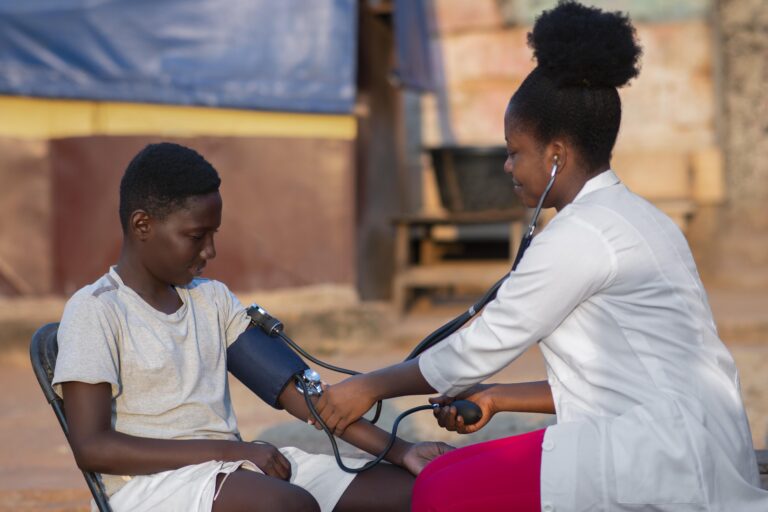
Most of us know we should sleep better but understanding exactly how poor sleep affects your body from the inside out is what finally makes the difference
Understanding how poor sleep affects your body is one of the most important pieces of health education many people are still missing. Sleep is not a luxury or a reward for when work slows down. It is a biological necessity as essential to your survival as food, water, and air. Every night while you sleep, your body repairs damaged cells, consolidates memories, regulates hormones, clears toxins from the brain, and resets nearly every major system in preparation for the next day.
When sleep is consistently disrupted, shortened, or poor quality, these processes are interrupted and the consequences accumulate quietly but powerfully over time. According to the World Health Organization, sleep disorders affect close to 45% of the world’s population, yet the connection between poor sleep and serious disease remains widely underappreciated. In our communities, where long working hours, financial stress, caregiving demands, and inconsistent schedules are daily realities, how poor sleep affects your body is not an abstract concern — it is happening right now to people we know and love.
At Compassionate HealthEd Foundation (CHF), we want every community member to understand what sleep deprivation is doing to their body — because when you understand the cost, sleep stops feeling optional. Here are 8 shocking effects of how poor sleep affects your body that every adult needs to know.
8 shocking ways poor sleep affects your body
1) Your immune system weakens dramatically
One of the most immediate ways how poor sleep affects your body is through immune suppression. During deep sleep, your immune system releases proteins called cytokines that fight infection and inflammation. When you are sleep-deprived, cytokine production drops significantly — leaving your body less equipped to fight off viruses and bacteria. Studies have shown that people who sleep fewer than six hours per night are four times more likely to catch a cold than those who sleep seven or more hours. If you find yourself falling sick frequently, your sleep quality may be the missing piece of the puzzle.
2) Your heart health deteriorates silently
How poor sleep affects your body goes deep into cardiovascular health. During sleep, blood pressure naturally drops, giving your heart and blood vessels vital rest. When you consistently sleep poorly or less than seven hours, blood pressure stays elevated for longer, inflammation in artery walls increases, and the risk of heart attack and stroke rises substantially. The American Heart Association recognizes adequate sleep as a core pillar of cardiovascular health alongside diet, exercise, and blood pressure management.
3) Your weight increases — even with the same diet
One of the most shocking ways how poor sleep affects your body is through its direct impact on weight regulation. Sleep deprivation disrupts two key hunger hormones ghrelin (which increases appetite) rises, while leptin (which signals fullness) falls. The result is increased hunger, stronger cravings for high-sugar and high-fat foods, and reduced satisfaction from eating. Even without changing what you eat, chronic poor sleep can lead to significant weight gain over time. This is why sleep is increasingly recognized as a critical but overlooked factor in healthy weight management.
4) Your mental health suffers profoundly
The relationship between sleep and mental health runs in both directions poor sleep worsens mental health, and mental health struggles worsen sleep. Understanding how poor sleep affects your body must include its impact on the brain. Sleep deprivation reduces the prefrontal cortex’s ability to regulate emotions, making anxiety, irritability, and emotional reactivity significantly worse. Chronic poor sleep is one of the strongest predictors of depression, and people with insomnia are ten times more likely to develop clinical depression. We have written more about supporting mental health in our post on how to support someone with depression.
5) Your blood sugar becomes harder to control
How poor sleep affects your body includes its powerful influence on blood sugar regulation. During sleep, the body processes glucose and maintains insulin sensitivity. Sleep deprivation impairs these processes significantly raising blood sugar levels and reducing the body’s ability to respond to insulin effectively. Even a single night of poor sleep can produce blood sugar changes similar to early-stage insulin resistance. Over time, chronic sleep deprivation dramatically increases the risk of developing type 2 diabetes, making sleep a critical but often unaddressed pillar of diabetes prevention.
6) Your brain literally shrinks and slows down
During deep sleep, the brain activates its glymphatic system a waste clearance system that flushes out toxic proteins including beta-amyloid, which is associated with Alzheimer’s disease. One of the most alarming aspects of how poor sleep affects your body is that without sufficient sleep, these toxins accumulate in brain tissue. Memory consolidation, problem-solving, creativity, and learning all depend on sleep poor sleep directly impairs all of these cognitive functions. Research from the CDC links chronic sleep deprivation to increased risk of dementia in later life.
7) Your skin ages faster and heals more slowly
The phrase “beauty sleep” has a deeply scientific foundation. How poor sleep affects your body includes accelerating skin aging and slowing wound healing. During sleep, the body releases growth hormone which repairs skin cells, regenerates collagen, and heals minor damage from the day. Sleep deprivation reduces growth hormone output, increases cortisol (which breaks down collagen), and slows wound healing throughout the body. People who consistently sleep poorly show measurably more fine lines, uneven skin tone, reduced skin elasticity, and slower recovery from skin injuries compared to those who sleep well.
8) Your hormones fall out of balance
Sleep is one of the body’s most important hormonal regulators and how poor sleep affects your body through hormone disruption is far-reaching. Growth hormone, cortisol, testosterone, thyroid hormones, and reproductive hormones all follow sleep-dependent cycles. Chronic poor sleep raises cortisol (increasing stress and inflammation), lowers testosterone (affecting energy, mood, and libido in both men and women), disrupts thyroid function, and interferes with reproductive health. In women, sleep deprivation is particularly associated with menstrual irregularities and worsened symptoms of hormonal conditions such as PCOS and perimenopause.
When to seek help: If you have been struggling with poor sleep for more than three weeks difficulty falling asleep, staying asleep, waking too early, or never feeling rested please speak with a healthcare provider. Sleep disorders like insomnia and sleep apnea are medical conditions that respond well to treatment. Do not wait.
How much sleep does your body actually need?
The amount of sleep needed varies by age, but the general guidelines are clear. Adults aged 18 to 64 need 7 to 9 hours of sleep per night. Adults 65 and older need 7 to 8 hours. Teenagers need 8 to 10 hours. Children need even more. These are not targets to aim for occasionally they are minimums for maintaining health over time. Consistently sleeping 6 hours or fewer is associated with the full range of health consequences described above, regardless of how “used to it” you feel.
Practical steps to improve your sleep starting tonight
Go to bed and wake up at the same time every day including weekends to anchor your body’s internal clock. Keep your bedroom cool, dark, and quiet. Avoid screens for at least one hour before bed, as blue light suppresses melatonin production. Avoid caffeine after midday. Move your body during the day regular physical activity significantly improves sleep quality. Wind down with a simple bedtime routine that signals to your brain that sleep is coming: a warm shower, light reading, or a few minutes of calm breathing.
How CHF supports sleep and wellness education in our communities
Through CHF’s Preventive Health Education Campaigns, we bring sleep and wellness awareness directly into schools, workplaces, and community centres. We know that for many families, poor sleep is not simply a habit problem it is connected to stress, overcrowding, noise, shift work, and economic pressure. Addressing how poor sleep affects your body means addressing the broader conditions that make rest difficult. Our Community Health Outreach Program works to connect families with practical support and health education that meets them where they are.
Your body was designed to rest give it what it needs
Understanding how poor sleep affects your body is not meant to add anxiety to your nights. It is meant to give you the knowledge to make sleep a genuine priority — because so few of us truly do. We live in communities and cultures that celebrate busyness and sacrifice where sleeping less is sometimes worn as a badge of dedication. But the science is unambiguous: sleep is not wasted time. It is the time your body uses to heal, rebalance, restore, and prepare. Every hour of rest is an investment in your health, your relationships, your work, and your future.
Tonight, close the phone a little earlier. Dim the lights a little sooner. Give yourself permission to rest. Your heart, your brain, your immune system, your skin, and your hormones will thank you for it — and so will the people who need you at your best.
Community tip: Share this article in your family group or with a friend who is always “too busy to sleep.” Sometimes the most powerful health intervention is simply reading something that changes how we think about rest. Good sleep is not laziness — it is the foundation everything else is built on.
About Compassionate HealthEd Foundation (CHF)
CHF is a nonprofit bringing equitable healthcare and health education to underserved communities through outreach, preventive campaigns, training, and humanitarian support. Learn more at compassionatehealthed.org or support our work today