Introduction:
Health literacy is more than the ability to read medical information it is the foundation for making informed decisions about health and well-being. When individuals and families understand basic health information, they are better equipped to protect themselves, prevent illness, and live healthier lives.
In underserved communities, health literacy can be life-changing.
What Is Health Literacy?
Health literacy refers to a person’s ability to find, understand, and use health information to make appropriate decisions. This includes understanding medical instructions, recognizing early signs of illness, practicing proper hygiene, and knowing when and where to seek care. Without health literacy, even when healthcare services are available, people may not use them effectively, which can lead to preventable illness, complications, or unnecessary expenses.Health literacy refers to a person’s ability to find, understand, and use health information to make appropriate health decisions. This includes understanding prescriptions, recognizing early signs of illness, practicing proper hygiene, and knowing when and where to seek care.
Without health literacy, even available healthcare services can remain out of reach.
How Health Literacy Empowers Individuals
When individuals understand their health, they gain confidence and control over their well-being. Health literacy empowers people to:
- Make informed choices about nutrition and lifestyle
- Follow medical instructions correctly
- Recognize symptoms early and seek timely care
- Prevent common and avoidable diseases
Research shows that individuals with higher health literacy are more likely to adhere to treatment plans and maintain preventive care, ultimately improving their long-term health outcomes.
Strengthening Families Through Health Knowledge
Families are the first line of care in any community. When parents and caregivers are health-literate, they can:
- Protect children from preventable illnesses
- Improve family nutrition and hygiene
- Make better healthcare decisions
- Reduce medical emergencies and costs
When families understand basic health, it helps everyone at home and supports healthier future generations.
Compasionate Healthed Foundation
The Role of Health Education in Communities
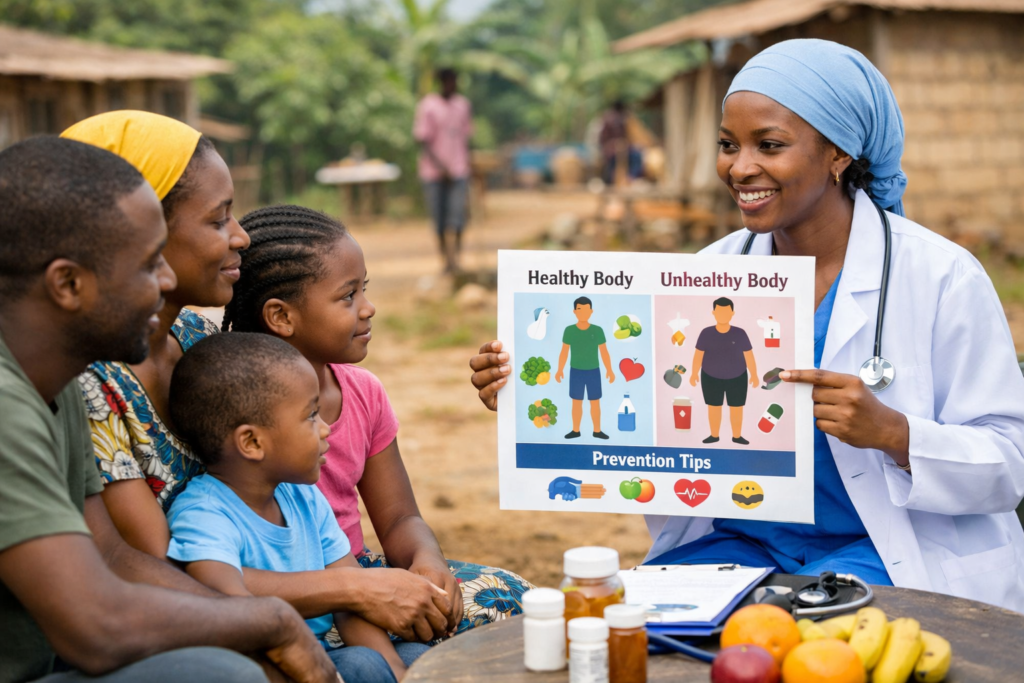
Health education bridges the gap between medical services and the people who need them most. Community-based health education helps to:
- Break down complex health information into simple language
- Address cultural beliefs and misconceptions
- Encourage preventive healthcare practices
- Promote long-term behavioral change
By providing consistent, accessible information, health education empowers communities to adopt sustainable healthy behaviors. News & Stories
Health Literacy as a Tool for Prevention
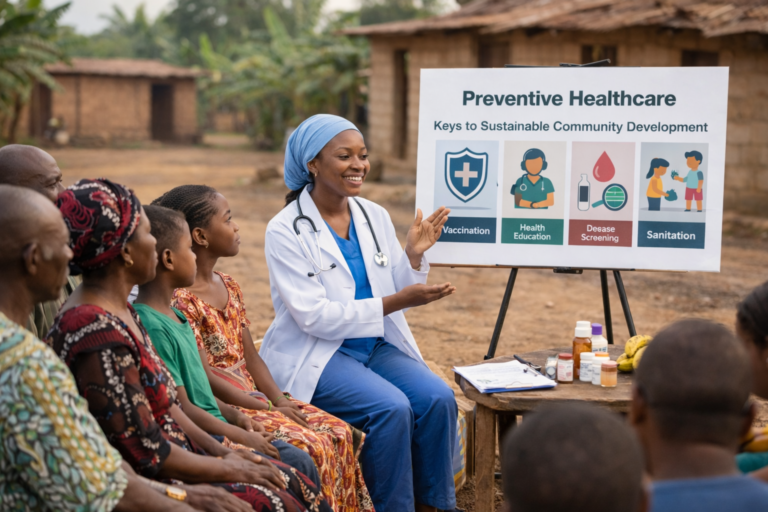
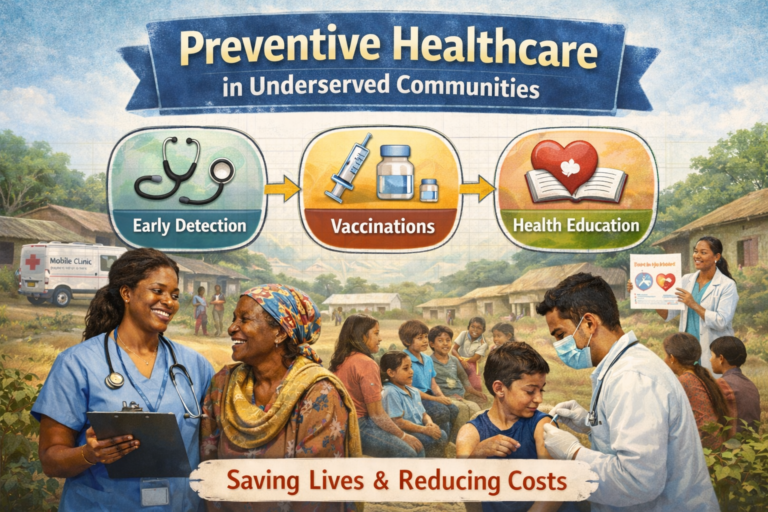
Preventive healthcare depends heavily on understanding. When people know how diseases spread and how to protect themselves, communities experience fewer outbreaks, lower healthcare costs, and improved quality of life. Health literacy encourages practices such as:
- Early screening and regular checkups to catch illnesses before they escalate.
- Proper sanitation and hygiene to prevent infections and communicable diseases.
- Balanced nutrition and physical activity to maintain healthy lifestyles.
These preventive measures save lives, strengthen families, and reduce pressure on limited healthcare resources in underserved areas.
Compassionate HealthEd Foundation’s Commitment
At Compassionate HealthEd Foundation, health literacy is at the core of everything we do. We are dedicated to equipping individuals and families especially in underserved communities with the knowledge and tools they need to lead healthier, safer, and more empowered lives. Our programs focus on:
- Providing education on nutrition, hygiene, and preventive healthcare.
- Running awareness campaigns for vulnerable populations, including women and youth.
- Delivering practical workshops, easy-to-understand resources, and guidance that can be acted upon immediately.
We believe that when communities are informed, they are empowered. Knowledge is the first step toward lasting health, hope, and well-being.
Conclusion
Health literacy helps people take charge of their health and allows families to thrive. By teaching and raising awareness, we can prevent illness, support strong families, and create healthier communities. When individuals learn about health, it benefits their families, and in turn, the whole community grows stronger and healthier.