Community health education plays a crucial role in preventing diseases before they start, helping entire populations stay healthier through targeted learning programs and awareness campaigns.
This guide is designed for public health professionals, community organizers, healthcare workers, and anyone involved in developing or implementing health education initiatives at the local level.
We’ll explore how educational interventions serve as powerful tools for primary prevention, examining real-world strategies that help communities avoid illness rather than just treat it. You’ll also discover proven communication methods that make health messages stick, from crafting clear content to choosing the right channels for your audience. Finally, we’ll cover how building strong community partnerships amplifies your program’s reach and creates lasting change that goes far beyond any single campaign.
Understanding Community Health Education Fundamentals
Defining community health education and its core principles
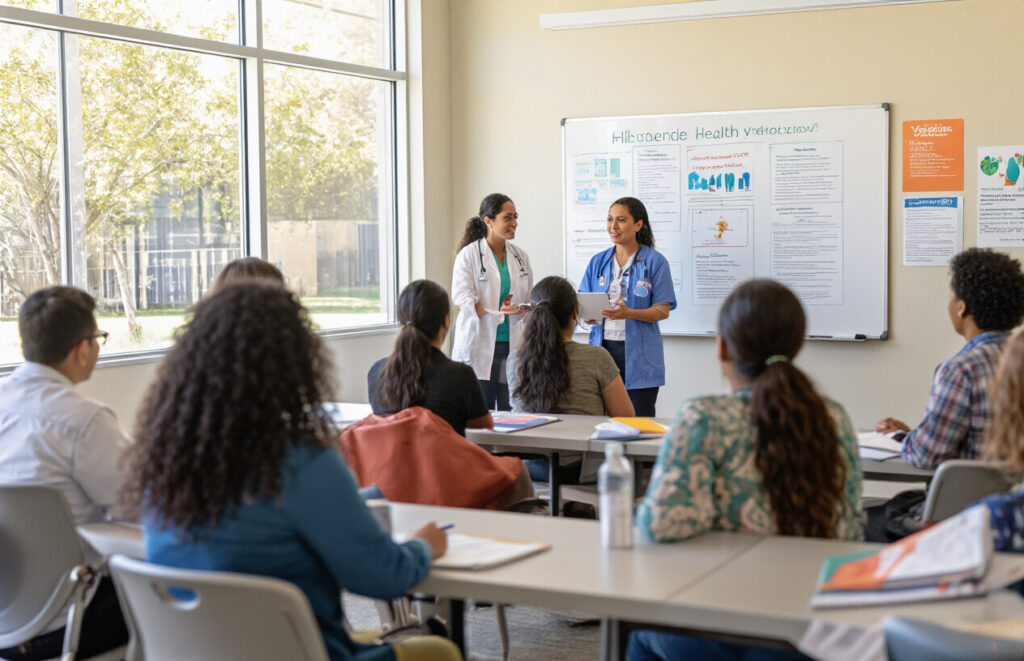
Community health education represents a systematic approach to empowering individuals and groups with knowledge, skills, and resources needed to make informed health decisions. This field focuses on creating positive health behaviors at the population level by addressing social, environmental, and individual factors that influence well-being.
The foundation rests on several core principles that guide effective practice. Participation stands as the cornerstone – communities must actively engage in identifying their health priorities and developing solutions rather than being passive recipients of information. Cultural competence ensures that educational approaches respect and incorporate local values, beliefs, and practices. Sustainability demands that programs build lasting capacity within communities to continue health promotion efforts independently.
Empowerment serves as both a process and outcome, helping community members develop confidence and skills to advocate for their health needs. Evidence-based practice requires grounding interventions in solid research while adapting strategies to local contexts. The principle of equity drives efforts to address health disparities by ensuring all community members have fair opportunities to achieve optimal health.
These principles work together to create educational programs that are not only informative but transformative, leading to lasting behavioral changes and improved health outcomes across diverse populations.
Identifying key stakeholders and target populations
Successful community health education depends on recognizing and engaging the right people and groups who can influence health outcomes. Primary stakeholders include community members themselves – the individuals and families whose health behaviors the program aims to improve. These people bring lived experiences and cultural insights that shape effective messaging and delivery methods.
Community leaders represent another critical group, including religious leaders, elected officials, business owners, and informal influencers who command respect and trust. Their endorsement can legitimize health initiatives and encourage widespread participation. Healthcare providers – physicians, nurses, community health workers, and clinic staff – serve as credible sources of health information and can reinforce educational messages during patient interactions.
Organizations and institutions play vital roles as stakeholders. Schools provide access to children and families, workplaces reach adults during their daily routines, and community centers offer neutral gathering spaces. Government agencies at local, state, and federal levels can provide funding, policy support, and regulatory frameworks that enable or constrain health education efforts.
Target populations require careful analysis beyond basic demographics. Geographic considerations might focus on neighborhoods with limited healthcare access or high disease rates. Behavioral factors help identify groups engaged in risky practices or those ready to adopt healthier habits. Social determinants such as income, education, and housing stability influence both health outcomes and the most effective educational approaches for different communities.
Exploring evidence-based health promotion strategies
Research has identified several proven approaches that consistently produce positive health behavior changes across diverse communities. Social cognitive theory guides many successful programs by recognizing that learning occurs through observation, personal experience, and environmental influences. This approach emphasizes building self-efficacy – people’s confidence in their ability to perform health behaviors – while addressing environmental barriers that might prevent action.
Community-based participatory research has emerged as a powerful strategy that involves community members as equal partners in identifying health problems, designing interventions, and evaluating outcomes. This approach increases program relevance and sustainability by ensuring that solutions match real community needs and resources.
Peer education models leverage the influence of trusted community members who share similar backgrounds with target populations. These programs train respected individuals to deliver health messages, provide social support, and model positive behaviors. Research shows that people often trust and relate better to peers than to outside experts.
Multi-level interventions address health behaviors at individual, interpersonal, organizational, and policy levels simultaneously. For example, a smoking cessation program might combine individual counseling, family support groups, workplace policies, and community-wide media campaigns to create an environment that supports quitting.
Technology-enhanced strategies increasingly complement traditional face-to-face education through mobile apps, text messaging systems, and social media platforms that can deliver personalized health information, send reminders, and connect people with similar health goals. These tools extend program reach while reducing costs and increasing convenience for participants.
Primary Prevention Through Educational Interventions
Implementing vaccination awareness campaigns
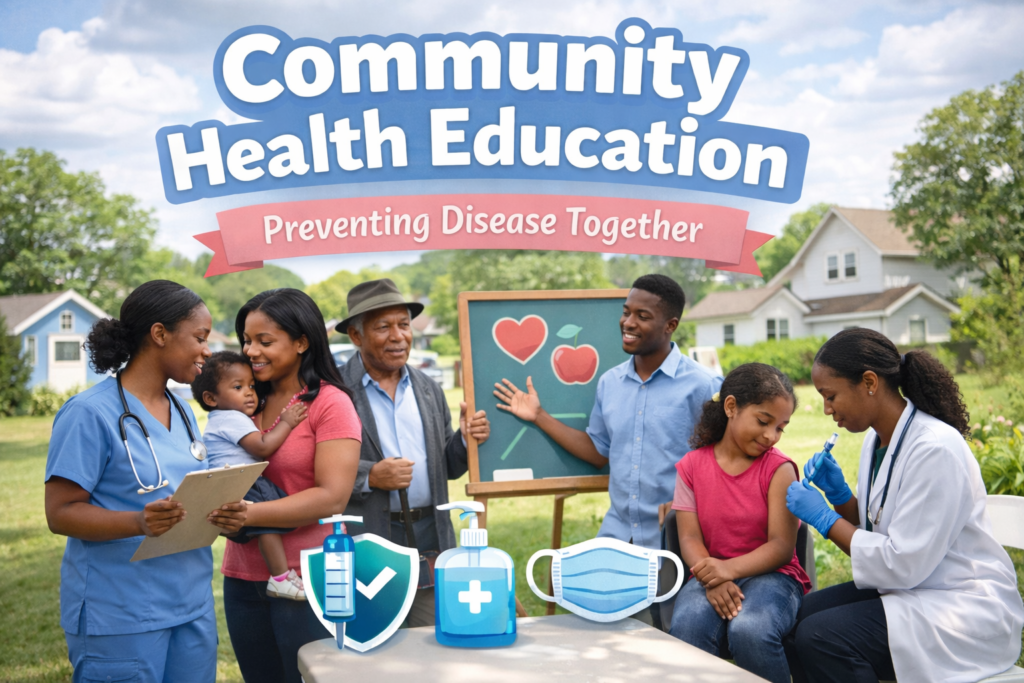
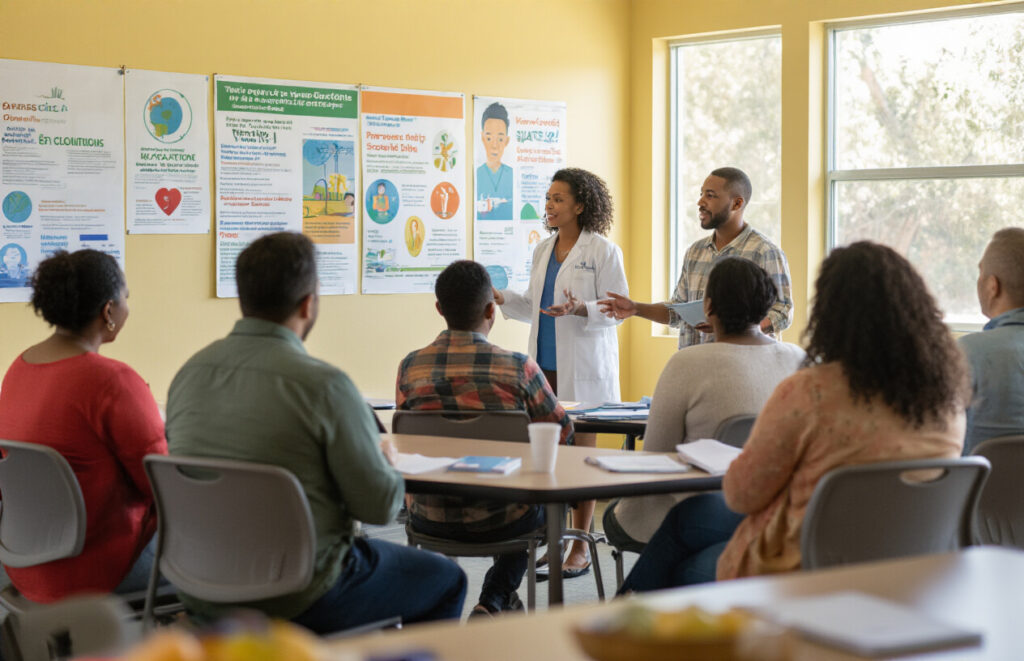
Vaccination campaigns serve as powerful tools for preventing infectious disease outbreaks within communities. Effective campaigns go beyond simply providing information – they address concerns, build trust, and make vaccines accessible to everyone who needs them. Community health educators work closely with local healthcare providers, schools, and faith-based organizations to reach diverse populations where they feel most comfortable.
Successful campaigns use multiple communication channels to share accurate information. Social media platforms help reach younger demographics, while traditional methods like community meetings and printed materials connect with older residents. Health educators create culturally appropriate messaging that resonates with different ethnic and linguistic groups, ensuring no community gets left behind.
Trust-building becomes especially important when addressing vaccine hesitancy. Community health workers who live in the neighborhoods they serve often prove most effective at having honest conversations about vaccine safety and benefits. They share personal stories, address specific concerns, and connect people with trusted healthcare providers who can answer medical questions.
Mobile vaccination clinics remove barriers by bringing services directly to underserved areas. These clinics set up at grocery stores, community centers, and places of worship, making it convenient for working families to get protected. Health educators coordinate these efforts, ensuring proper follow-up and scheduling for multi-dose vaccines.
Promoting healthy lifestyle choices and behaviors
Education programs that focus on daily habits create lasting change in community health outcomes. Rather than lecturing about what people should do, effective programs meet community members where they are and help them make small, sustainable changes that fit their lives and budgets.
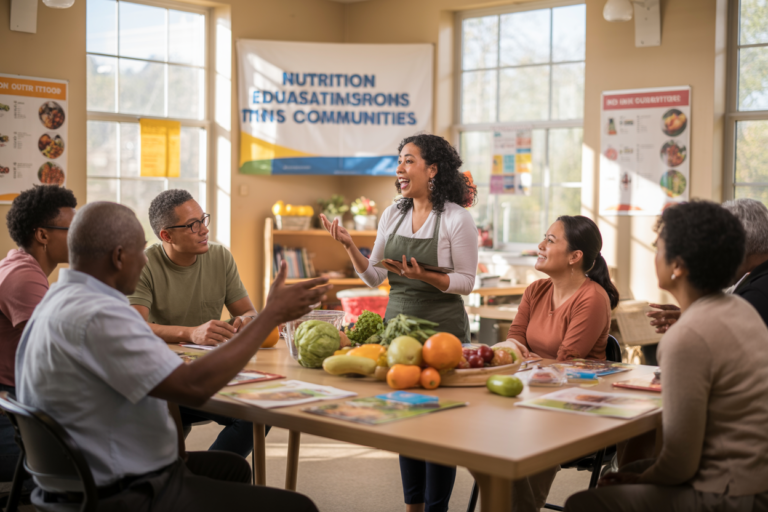
Nutrition education works best when it’s practical and hands-on. Community gardens provide spaces where families learn to grow fresh vegetables while building social connections. Cooking classes teach people how to prepare affordable, healthy meals using ingredients available at local stores. These programs often incorporate cultural food traditions, showing how to make beloved dishes healthier rather than replacing them entirely.
Physical activity programs adapt to different ages, abilities, and interests. Walking groups provide safe exercise opportunities while building friendships. Dance classes celebrate cultural traditions while improving cardiovascular health. Playground programs teach children active games they can continue playing with friends and family.
Mental health education helps community members recognize signs of depression, anxiety, and stress while connecting them with appropriate resources. Support groups create safe spaces where people share experiences and coping strategies. Educational workshops teach stress management techniques like deep breathing, meditation, and time management skills that people can use immediately.
Substance abuse prevention programs work with schools, parents, and community organizations to create environments that support healthy choices. These programs teach young people decision-making skills while helping adults model positive behaviors.
Teaching environmental health and safety practices
Environmental health education helps communities identify and address health hazards in their immediate surroundings. These programs empower residents to become advocates for safer neighborhoods while teaching practical skills for protecting their families.
Indoor air quality education shows families how to reduce asthma triggers and other respiratory irritants in their homes. Simple changes like using natural cleaning products, maintaining proper ventilation, and controlling moisture levels can significantly improve health outcomes. Community health educators demonstrate these techniques in people’s actual living spaces, making the learning more relevant and actionable.
Water safety education becomes critical in areas with aging infrastructure or private wells. Residents learn how to test their water quality, properly maintain septic systems, and recognize signs of contamination. Educational programs also teach proper food storage and preparation techniques to prevent foodborne illnesses, especially important during power outages or extreme weather events.
Lead poisoning prevention programs focus on older neighborhoods where lead paint and pipes pose ongoing risks. Health educators teach families how to identify potential sources of lead exposure and take protective measures while advocating for broader infrastructure improvements.
Workplace safety education extends beyond traditional occupational settings to include agricultural workers, domestic workers, and others in informal employment. These programs teach proper use of personal protective equipment, recognition of chemical hazards, and workers’ rights regarding safe working conditions.
Addressing social determinants of health through education
Social determinants like housing, employment, and education significantly impact health outcomes, often more than medical care itself. Community health education programs address these root causes by building knowledge and skills that help people navigate complex systems and advocate for better conditions.
Housing education helps renters understand their rights and responsibilities while teaching homeowners how to maintain safe living environments. These programs connect people with resources for addressing housing violations, accessing affordable housing programs, and making homes more energy-efficient and healthy.
Financial literacy education reduces health-related stress by helping people manage medical bills, understand insurance benefits, and plan for healthcare expenses. Programs teach budgeting skills, explain how to negotiate payment plans with healthcare providers, and connect families with assistance programs that can help cover costs of medications and medical equipment.
Educational advocacy programs teach parents and community members how to engage with schools to ensure children receive quality education and necessary health services. These programs explain special education processes, help families access school-based health services, and teach advocacy skills for improving school nutrition and physical education programs.
Employment readiness programs help people develop skills needed for jobs that provide health insurance and living wages. Career training programs often partner with local employers to create pathways into healthcare, construction, and other industries that offer stable employment with benefits.
Community organizing education teaches residents how to identify shared concerns, research solutions, and work collectively to influence policy decisions that affect neighborhood health. These skills help communities advocate for better public transportation, safer streets, cleaner air, and access to healthy food options.
Effective Communication Strategies for Health Messages
Tailoring messages for diverse cultural and linguistic groups
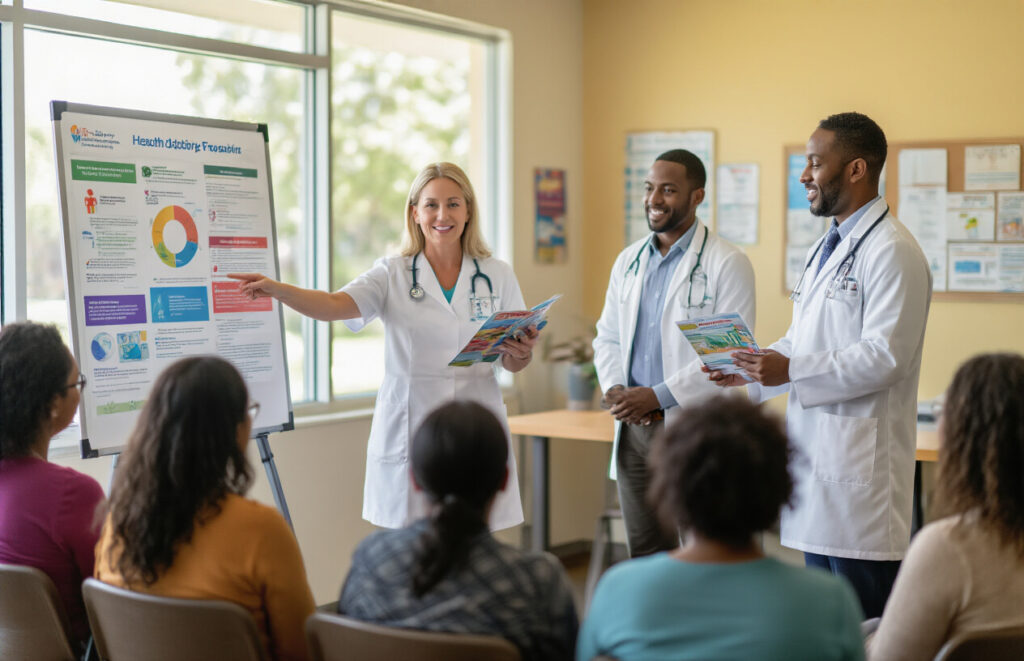
Cultural competence stands at the heart of successful health communication. Different communities hold unique beliefs about health, illness, and healing practices that shape how they receive and act on health information. Spanish-speaking communities might respond better to family-centered messaging that emphasizes collective responsibility, while some Asian communities may prefer indirect communication styles that avoid fear-based approaches.
Language translation goes beyond word-for-word conversion. Health educators must consider cultural nuances, health literacy levels, and preferred communication styles. Visual elements like colors, symbols, and imagery carry different meanings across cultures. For example, white symbolizes purity in Western cultures but represents mourning in some Asian traditions.
Successful programs often employ community members as translators and cultural interpreters rather than relying solely on professional translation services. These individuals understand local dialects, colloquialisms, and cultural sensitivities that outsiders might miss. They can identify potential barriers to message acceptance and suggest culturally appropriate modifications.
Utilizing digital platforms and social media for outreach
Digital platforms have revolutionized health education delivery, offering unprecedented reach and engagement opportunities. Facebook groups allow for targeted messaging based on demographics, interests, and geographic location. Instagram’s visual format works particularly well for sharing infographics, success stories, and quick health tips that grab attention in busy social feeds.
WhatsApp has become a powerful tool in many communities, especially among immigrant populations who use it to stay connected with family abroad. Health educators can create broadcast lists or group chats to share timely health information, appointment reminders, and answers to common questions.
TikTok and YouTube offer creative opportunities to present health information through engaging videos. Short-form content performs well when it addresses specific health concerns with clear, actionable advice. Live streaming sessions allow for real-time Q&A interactions, building trust and addressing misconceptions immediately.
Mobile apps designed for specific health topics can provide personalized education, tracking tools, and reminder systems. Push notifications help maintain engagement without being intrusive. The key lies in meeting people where they already spend their digital time rather than expecting them to seek out new platforms.
Engaging community leaders as health ambassadors
Trusted community figures wield significant influence over health behaviors and attitudes. Religious leaders, business owners, teachers, and neighborhood organizers already have established relationships and credibility within their communities. When these individuals champion health messages, their endorsement carries more weight than information from unknown health professionals.
Training community leaders as health ambassadors requires a collaborative approach. Rather than asking them to simply repeat prepared scripts, successful programs involve leaders in message development and delivery strategy. This participation ensures messages align with community values and communication preferences.
Peer-to-peer education models work particularly well because they eliminate the power differential between healthcare providers and community members. Neighbors talking to neighbors about diabetes management or vaccination benefits feels more natural and trustworthy than formal presentations from outside experts.
Regular support and ongoing education keep community ambassadors engaged and informed. Monthly meetings, resource updates, and recognition programs help maintain momentum. Some programs provide small stipends or volunteer recognition to acknowledge the valuable time and effort these individuals contribute.
Creating accessible and understandable health materials
Health literacy levels vary dramatically within communities, making accessible material design crucial for effective communication. The average American reads at an eighth-grade level, yet many health materials require college-level comprehension. Simplifying language without dumbing down content requires careful attention to word choice, sentence structure, and concept presentation.
Visual design principles significantly impact comprehension. White space reduces cognitive load, while bullet points and numbered lists make information easier to process. Charts and infographics can communicate complex data more effectively than dense paragraphs of text. However, visuals must be culturally appropriate and accurately represent the target audience.
Testing materials with community members before widespread distribution catches potential problems early. Focus groups can identify confusing language, cultural insensitivities, or missing information. Community feedback often reveals assumptions that health educators didn’t realize they were making.
Multiple format options accommodate different learning preferences and accessibility needs. Some people prefer written materials they can study at home, while others learn better through audio recordings or video demonstrations. Large print versions, Braille translations, and screen-reader compatible digital formats ensure people with visual impairments can access important health information.
Plain language techniques include using active voice, choosing familiar words over technical terms, and explaining necessary jargon immediately after introducing it. Breaking complex processes into step-by-step instructions makes them more manageable and actionable.
Building Community Partnerships for Maximum Impact

Collaborating with Healthcare Providers and Clinics
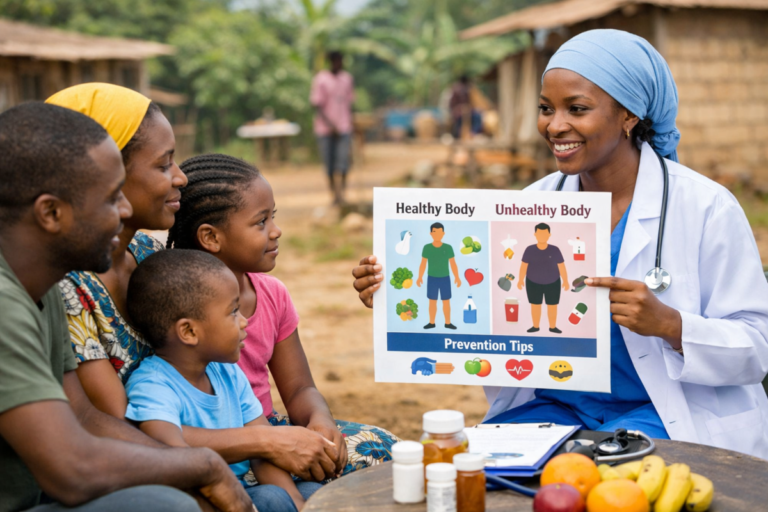
Healthcare providers serve as trusted messengers in community health education efforts. When clinics and hospitals actively participate in prevention programs, they bring credibility and medical expertise that community members respect. Primary care physicians, nurses, and community health workers can identify at-risk populations during routine visits and connect them with educational resources.
Successful partnerships often involve training healthcare staff to deliver consistent prevention messages. For example, a diabetes prevention program becomes more effective when doctors, nurses, and clinic staff all reinforce the same dietary and exercise recommendations. Clinics can also host educational workshops in their facilities, making health information more accessible to patients who might not attend community events elsewhere.
Many healthcare systems now integrate community health educators directly into their care teams. These professionals bridge the gap between clinical treatment and community-based prevention, helping patients understand their conditions and connecting them with local resources for ongoing support.
Partnering with Schools and Educational Institutions
Schools reach children during their most formative years, making them powerful platforms for health education. School partnerships allow programs to establish healthy habits early while also reaching parents and families through student-led initiatives.
Effective school partnerships go beyond one-time presentations. Successful programs integrate health education into existing curricula, train teachers to reinforce key messages, and create ongoing activities that keep health topics visible throughout the school year. School nurses often serve as key coordinators, helping to identify student health needs and connecting families with community resources.
Universities and community colleges offer unique opportunities to reach young adults and provide training grounds for future health professionals. Nursing and public health students can participate in community outreach as part of their education, bringing fresh energy and contemporary perspectives to prevention efforts.
Working with Local Government and Policy Makers
Government partnerships provide the structural support needed for large-scale health education initiatives. Local health departments often coordinate community-wide prevention campaigns, bringing together multiple organizations under unified messaging and shared goals.
Policy makers can create supportive environments for health education through funding, regulations, and public endorsements. When mayors and city council members champion health initiatives, community participation typically increases. These partnerships also help ensure that health education efforts align with broader community development goals.
Successful government partnerships require clear communication about program objectives and measurable outcomes. Politicians need to see concrete results that demonstrate value to their constituents. Regular reporting on program metrics and community impact helps maintain ongoing support and funding.
Engaging Faith-Based Organizations and Community Groups
Religious institutions and community organizations provide natural gathering places where health education can occur within familiar, trusted environments. These partnerships are especially valuable for reaching populations who might be skeptical of government or medical establishment messaging.
Faith-based health education often succeeds because religious leaders can frame prevention messages within spiritual contexts that resonate with their congregations. Many churches, mosques, temples, and synagogues already have established care networks that can easily incorporate health education components.
Community groups like neighborhood associations, ethnic organizations, and hobby clubs offer access to specific populations with shared interests or backgrounds. These partnerships allow for culturally tailored messaging that speaks directly to group members’ particular health concerns and cultural values.
Leveraging Workplace Wellness Programs
Employers increasingly recognize that healthy employees are more productive and cost less to insure. Workplace wellness programs provide structured opportunities to reach adults during their working years when many chronic diseases develop.
Successful workplace partnerships involve more than distributing health pamphlets. Effective programs include on-site health screenings, lunch-and-learn sessions, walking groups, healthy cafeteria options, and fitness challenges that engage employees in prevention activities.
Small businesses often lack resources to develop comprehensive wellness programs independently. Community health organizations can provide expertise and programming that helps these employers offer health education benefits to their workers without significant internal investment.
The key to all these partnerships lies in recognizing what each organization brings to the table and creating mutually beneficial relationships that serve everyone’s interests while advancing community health goals.
Measuring Success and Evaluating Program Effectiveness

Establishing Baseline Health Metrics and Tracking Improvements
Before launching any community health education program, you need a clear picture of where you’re starting from. Think of it like taking a before photo at the gym – without that baseline, you can’t see how far you’ve come. Smart program planners collect data on key health indicators before their interventions begin, creating a roadmap for measuring progress.
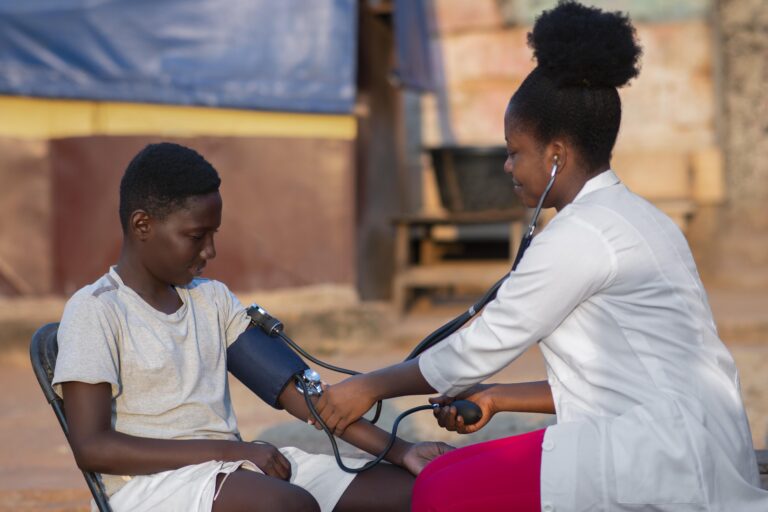
Setting up baseline measurements involves gathering information about current health behaviors, knowledge levels, and disease prevalence in your target population. This might include surveys about vaccination rates, smoking habits, exercise frequency, or dietary patterns. Health screenings can capture clinical markers like blood pressure, cholesterol levels, or BMI. The key is choosing metrics that directly relate to your program goals and are realistic to track over time.
Digital tools have made this process much easier. Mobile health apps can track everything from physical activity to medication adherence. Wearable devices provide continuous data on sleep patterns, heart rate, and movement. Electronic health records offer insights into healthcare utilization patterns and clinical outcomes.
Regular data collection intervals help you spot trends early. Monthly or quarterly check-ins work well for behavioral changes, while annual assessments might be sufficient for clinical markers. The most successful programs create simple dashboards that display progress visually, making it easy for community members and stakeholders to see the impact of their efforts.
Conducting Community Needs Assessments and Feedback Collection
Getting inside the heads of your community members is essential for creating programs that actually work. Needs assessments aren’t just academic exercises – they’re your chance to discover what people really care about, what barriers they face, and what solutions might actually stick.
Start with the obvious places: talk to community leaders, healthcare providers, and social service organizations. They see patterns and problems that might not show up in surveys. But don’t stop there. The real gold comes from talking directly to community members through focus groups, interviews, and informal conversations. Ask open-ended questions about their health concerns, daily challenges, and what would make healthy choices easier.
Digital feedback tools can reach people who might not show up to meetings. Online surveys, social media polls, and text message feedback systems capture voices that traditional methods might miss. QR codes on flyers or posters can link directly to quick feedback forms, making participation effortless.
Creating multiple feedback loops throughout your program keeps you connected to community needs as they evolve. Monthly community meetings, suggestion boxes, peer navigator programs, and regular check-ins with participants help you adjust your approach in real-time. Some of the most effective programs use community advisory boards made up of participants who provide ongoing guidance on program design and implementation.
The best feedback systems make participation rewarding rather than burdensome. Small incentives, public recognition, or simply showing how feedback led to program improvements can keep people engaged in the evaluation process.
Analyzing Behavior Change Outcomes and Knowledge Retention
Tracking whether people actually change their behavior after your education programs requires looking beyond simple before-and-after comparisons. Real behavior change happens gradually and often includes setbacks along the way. Your evaluation methods need to capture this complexity.
Pre-and-post assessments are just the starting point. Following up at 3, 6, and 12 months gives you a better picture of whether changes stick. Look for patterns in who maintains new behaviors and who reverts to old habits. This information helps you identify which program elements work best and which participants might need extra support.
Knowledge retention studies reveal whether your educational content actually sinks in. Quick quizzes, practical demonstrations, and scenario-based questions can test understanding without feeling like school exams. The goal is seeing whether people can apply what they’ve learned to real-world situations.
Behavioral tracking gets tricky because people don’t always do what they say they do. Self-reported data has its limits, so combining surveys with objective measures works better. If you’re teaching about physical activity, pair self-reported exercise logs with step counter data. For nutrition programs, supplement food diaries with grocery receipt analysis or biomarker testing.
| Measurement Method | Strengths | Limitations | Best Used For |
|---|---|---|---|
| Self-reported surveys | Easy to implement, low cost | Social desirability bias | Knowledge and attitudes |
| Objective biomarkers | Accurate, clinical validity | Expensive, invasive | Clinical outcomes |
| Behavioral tracking apps | Real-time data, convenient | Requires tech adoption | Daily habit changes |
| Focus groups | Rich qualitative insights | Time-intensive, small sample | Program improvement |
The most revealing evaluations track multiple outcomes simultaneously. Measuring knowledge gains alongside behavior changes and health outcomes creates a complete picture of program impact and helps identify where the chain from education to health improvement might be breaking down.
Conclusion

Community health education stands as one of our most powerful tools for stopping diseases before they start. When communities come together to share knowledge about healthy living, prevention strategies, and early warning signs, the results speak for themselves – fewer hospital visits, lower healthcare costs, and stronger, healthier neighborhoods.
The magic happens when health educators team up with local organizations, schools, and community leaders to create programs that actually reach people where they are. Success isn’t just about handing out flyers or giving presentations – it’s about building trust, speaking the same language as your audience, and making health information stick. By tracking what works and adjusting what doesn’t, these programs keep getting better at helping people make healthier choices every day.