Table of Contents
- Introduction: Why Superfoods for Low-Income Families Matter
- Superfood 1: Beans — The Disease-Fighting Powerhouse
- Superfood 2: Eggs — Affordable Nutrition in a Shell
- Superfood 3: Sweet Potatoes — The Budget Immunity Booster
- Superfood 4: Oats — The Heart-Protecting Breakfast Champion
- Superfood 5: Bananas — Cheap, Filling, and Medically Powerful
- Superfood 6: Canned Sardines — The Overlooked Brain and Heart Food
- Superfood 7: Garlic — Nature’s Most Powerful Immune Defender
- How to Build a Disease-Fighting Meal Plan on a Budget
- How CHF Supports Healthy Living in Underserved Communities
Introduction: Why Superfoods Low-Income Families Can Access Are Life-Changing
The word “superfood” often brings to mind expensive items found in high-end grocery stores açaí bowls, spirulina powder, or imported goji berries that cost more per ounce than a full family meal. For low-income families, that image can feel discouraging, even insulting.
But here is the truth that nutrition science has confirmed for decades: the most powerful disease-fighting foods on earth are not the most expensive ones. Many of the superfoods low-income families can afford are sitting right now on the shelves of every corner store, dollar store, and neighborhood grocery in Houston and across America for under a dollar per serving.
Chronic diseases like hypertension, diabetes, heart disease, and obesity are disproportionately prevalent in low-income and underserved communities. This is not because poor families do not care about their health. It is largely because access to affordable, nutritious food has never been made clear, simple, or actionable enough.
This article changes that. At Compassionate HealthEd Foundation Inc. (CHF), our mission is to restore hope through health and knowledge and today we are giving you 7 powerful, affordable superfoods that can help your family fight disease starting this week.
You do not need an expensive diet to be healthy. You need the right knowledge and that is exactly what CHF is here to provide.
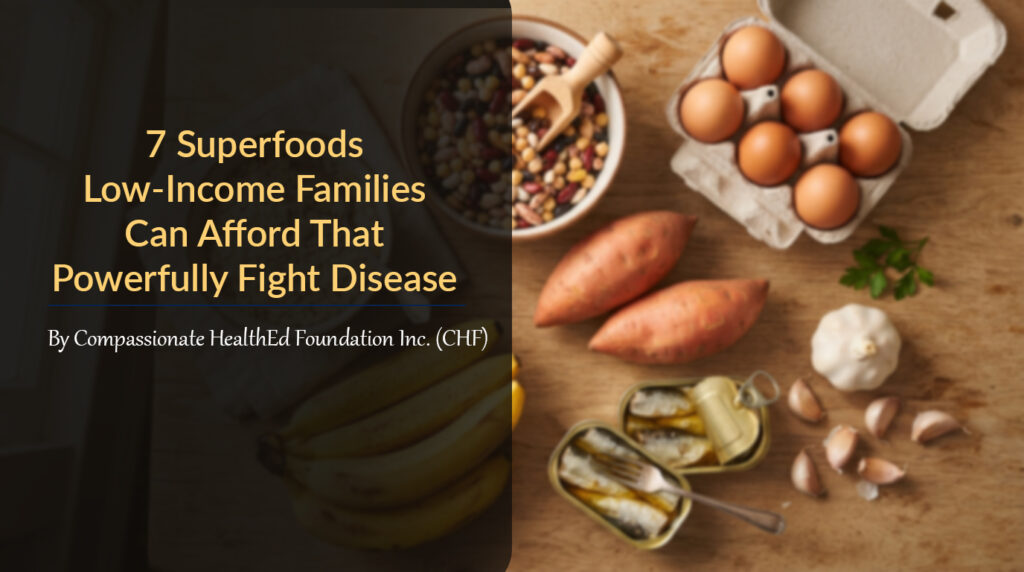
7 Superfoods Low-Income Families Can Afford That Powerfully Fight Disease
By Compassionate HealthEd Foundation Inc. (CHF) | compassionatehealthed.org | July 2026
Introduction: Why Superfoods Low-Income Families Can Access Are Life-Changing
The word “superfood” often brings to mind expensive items found in high-end grocery stores açaí bowls, spirulina powder, or imported goji berries that cost more per ounce than a full family meal. For low-income families, that image can feel discouraging, even insulting.
But here is the truth that nutrition science has confirmed for decades: the most powerful disease-fighting foods on earth are not the most expensive ones. Many of the superfoods low-income families can afford are sitting right now on the shelves of every corner store, dollar store, and neighborhood grocery in Houston and across America for under a dollar per serving.
Chronic diseases like hypertension, diabetes, heart disease, and obesity are disproportionately prevalent in low-income and underserved communities. This is not because poor families do not care about their health. It is largely because access to affordable, nutritious food has never been made clear, simple, or actionable enough.
This article changes that. At Compassionate HealthEd Foundation Inc. (CHF), our mission is to restore hope through health and knowledge — and today we are giving you 7 powerful, affordable superfoods that can help your family fight disease starting this week.
You do not need an expensive diet to be healthy. You need the right knowledge — and that is exactly what CHF is here to provide.
Superfood 1: Beans — The Disease-Fighting Powerhouse for Superfoods Low-Income Families Need
Average cost: $1–$2 per pound (dried) | Servings: 10–12 per pound
If there is one superfood that every low-income family should have in their kitchen at all times, it is beans. Black beans, kidney beans, pinto beans, lentils, chickpeas — all of them are nutritional powerhouses that rival foods costing ten times as much.
Beans are loaded with plant-based protein, which builds and repairs body tissue and keeps you full for hours — reducing the urge to snack on unhealthy processed foods. They are rich in fiber, which lowers cholesterol, regulates blood sugar, and reduces the risk of colon cancer. They contain iron, potassium, magnesium, and folate — nutrients that are commonly deficient in low-income diets and directly linked to heart disease, fatigue, and poor pregnancy outcomes.
Studies published by the Harvard T.H. Chan School of Public Health confirm that regular consumption of legumes significantly reduces the risk of heart disease, type 2 diabetes, and certain cancers.
A pot of beans cooked at home feeds a family of four for under $2. Few foods on earth offer that combination of nutrition and affordability.
How to use it: Cook a large pot on Sundays and use throughout the week in soups, rice dishes, tacos, salads, or eaten plain with seasoning.
Superfood 2: Eggs — Affordable Nutrition That Fights Disease From the Inside Out
Average cost: $3–$5 per dozen | Servings: 12 eggs per carton
Eggs have had a complicated reputation over the years, but modern nutrition science has firmly restored them to their rightful place as one of nature’s most complete foods. A single egg contains high-quality protein, vitamin B12, vitamin D, choline, selenium, and the antioxidants lutein and zeaxanthin — nutrients that support brain function, eye health, immune strength, and muscle maintenance.
For low-income families, eggs are especially valuable because they are one of the only affordable animal protein sources available at nearly every store across the country. At roughly 25–40 cents per egg, they represent extraordinary nutritional value.
Choline — found abundantly in egg yolks — is particularly important for pregnant women and young children, supporting healthy brain development and reducing the risk of neural tube defects. Many low-income families are deficient in choline simply because they do not know how accessible it is in eggs.
The American Heart Association notes that one egg per day is perfectly safe for most healthy adults and contributes meaningfully to daily nutrient needs.
How to use it: Boiled, scrambled, poached, or added to soups, rice, and vegetable dishes. Eggs work in virtually every cuisine and every meal of the day.
Superfood 3: Sweet Potatoes — The Budget Immunity Booster Every Family Needs
Average cost: $0.50–$1.00 per potato | Servings: 1–2 per potato
Sweet potatoes are one of the most nutrient-dense foods you can buy and they are among the cheapest per serving in any grocery store. A single medium sweet potato contains more than 100% of the recommended daily intake of Vitamin A, significant amounts of Vitamin C, potassium, manganese, and a powerful dose of antioxidants that fight inflammation and protect against chronic disease.
Vitamin A from sweet potatoes plays a critical role in immune function, eye health, and skin integrity making it especially important for children in underserved communities who are at higher risk for vitamin deficiencies. The high fiber content helps regulate blood sugar levels, making sweet potatoes a particularly smart food choice for families with members at risk of or living with diabetes.
Unlike white potatoes, sweet potatoes have a lower glycemic index, meaning they release energy slowly and help keep blood sugar stable throughout the day. This is a crucial benefit for communities where diabetes rates are significantly above national averages.
How to use it: Baked whole, boiled and mashed, added to soups and stews, or roasted with a drizzle of oil and spices. Sweet potatoes pair beautifully with beans for a complete, disease-fighting meal.
Superfood 4: Oats — The Heart-Protecting Breakfast Champion for Superfoods Low-Income Families
Average cost: $2–$4 for a large container | Servings: 15–30 per container
Oats are one of the most researched foods in nutrition science, and the evidence is overwhelming: regular oat consumption powerfully protects the heart, lowers cholesterol, stabilizes blood sugar, and supports healthy weight management.
The secret is a soluble fiber called beta-glucan, which forms a gel-like substance in the digestive tract that traps cholesterol and prevents it from being absorbed into the bloodstream. This mechanism is so well-established that the FDA has officially approved a health claim linking oat consumption to reduced risk of heart disease — one of only a handful of foods to receive this recognition.
For families in Houston’s underserved communities where hypertension and heart disease rates are disproportionately high a daily bowl of oats is one of the simplest, cheapest, and most powerful interventions available.
At roughly 10–15 cents per serving, oats are one of the most affordable breakfast foods in existence, stretching a family’s food budget further than almost any other option.
How to use it: Cook as porridge with banana and a drizzle of honey, blend into smoothies, use as a base for overnight oats, or add to baked goods for extra fiber.
Superfood 5: Bananas Cheap, Filling, and Medically Powerful
Average cost: $0.19–$0.30 per banana | Available everywhere
Bananas are perhaps the most universally accessible fruit on the planet — sold in every grocery store, corner shop, and dollar store at a price almost any family can afford. Yet their nutritional profile is genuinely impressive and directly relevant to the most common health challenges facing low-income communities.
Bananas are rich in potassium, a mineral that is essential for maintaining healthy blood pressure. High blood pressure or hypertension is one of the leading causes of heart disease and stroke, and it is disproportionately prevalent in Black and Hispanic communities in cities like Houston. Regular potassium intake from foods like bananas helps counteract the blood-pressure-raising effects of sodium, which is often consumed in high amounts through processed and fast foods.
Bananas also contain Vitamin B6, which supports brain health and mood regulation, and resistant starch especially in less ripe bananas which feeds healthy gut bacteria and improves digestive health. For children and adults who struggle with energy crashes throughout the day, the natural sugars in bananas combined with their fiber content provide sustained, stable energy.
How to use it: Eaten as a snack, sliced over oatmeal, blended into a smoothie with water and peanut butter, or mashed into baby food for infants.
Superfood 6: Canned Sardines — The Overlooked Brain and Heart Superfood for Low-Income Families
Average cost: $1–$2 per can | Servings: 2 per can
Canned sardines may not be the first food that comes to mind when you think of superfoods but nutritionists and doctors consistently rank them among the most nutrient-dense, affordable, and health-protective foods available anywhere.
A single can of sardines provides a massive dose of omega-3 fatty acids, which are essential for brain health, heart health, and the reduction of systemic inflammation the underlying driver of most chronic diseases. They are one of the richest sources of vitamin D, a nutrient that is deficient in a staggering number of Americans particularly those in low-income communities with limited sun exposure. They also provide calcium, vitamin B12, selenium, and high-quality protein, all in a shelf-stable, ready-to-eat format that requires no cooking.
Unlike large fish such as tuna or swordfish, sardines are very low in mercury because they are small and short-lived, making them safe to eat multiple times per week — including during pregnancy.
The American Heart Association recommends eating fish rich in omega-3s at least twice per week for heart health — and sardines are one of the cheapest ways to meet that recommendation.
How to use it: On whole grain crackers, mixed into rice with seasoning, added to salads, or eaten with sweet potato for a complete balanced meal.
Superfood 7: Garlic — Nature’s Most Powerful Immune Defender
Average cost: $0.50–$1.00 per bulb | Dozens of servings per bulb
Garlic has been used as medicine for thousands of years across cultures around the world and modern science has confirmed what traditional healers always knew. Garlic contains a compound called allicin, which is released when garlic is crushed or chopped and has been shown to have powerful antibacterial, antiviral, anti-inflammatory, and immune-boosting properties.
Regular garlic consumption has been linked in clinical studies to reduced blood pressure, lower LDL cholesterol, improved immune response, and reduced frequency of common illnesses like colds and respiratory infections. For families who cannot afford frequent doctor visits, garlic’s immune-boosting properties offer a genuinely meaningful protective benefit.
At less than a dollar for an entire bulb which contains dozens of cloves and can last weeks in your kitchen — garlic may be the most cost-effective health-protective food available to any family at any income level.
How to use it: Add to virtually any savory dish beans, rice, soups, stews, eggs, sardines, or roasted vegetables. The more you use it, the more your family benefits.
Garlic does not just make food taste better. It makes your body stronger. And it costs almost nothing.
How to Build a Disease-Fighting Meal Plan on a Budget Using These Superfoods
Knowing these 7 superfoods is only valuable if you use them together in a practical, daily meal plan. Here is a simple, affordable daily structure that incorporates all 7 superfoods low-income families can realistically maintain:
Breakfast: Oatmeal cooked with a sliced banana and a pinch of cinnamon under $0.50 per person
Lunch: Bean and sweet potato soup seasoned with garlic, served with a boiled egg on the side under $1.50 per person
Dinner: Sardines served over rice with sautéed garlic and a simple side salad under $2.00 per person
Snacks: Boiled eggs, bananas, or a small portion of cooked beans
Total daily food cost per person: approximately $3.50–$4.00 well within reach for most families, including those on SNAP benefits.
This is not deprivation eating. This is strategic, science-backed nutrition that fights the exact diseases diabetes, heart disease, hypertension, and immune deficiency hat disproportionately affect low-income and underserved communities.
For more on building healthy habits without breaking the budget, read our post on 10 preventive health habits that can save your life and our guide to preventive healthcare in underserved communities.
How CHF Supports Healthy Living in Underserved Houston Communities
At Compassionate HealthEd Foundation Inc. (CHF), we know that knowledge alone is not always enough. That is why our programs go beyond information to create real, lasting change in the communities we serve.
Through our Preventive Health Education Campaigns, CHF delivers nutrition education, hygiene training, and chronic disease prevention workshops directly to families in underserved Houston neighborhoods free of charge and in multiple languages including English, French, and Pidgin.
Through our Community Health Outreach Program, we bring free health screenings and medical checkups to communities that cannot easily access primary care, identifying early warning signs of conditions like diabetes and hypertension before they become life-threatening.
And through our Women and Youth Empowerment for Health Initiative, we teach women and young people the nutritional knowledge, health literacy, and practical skills they need to protect their families’ health for generations to come.
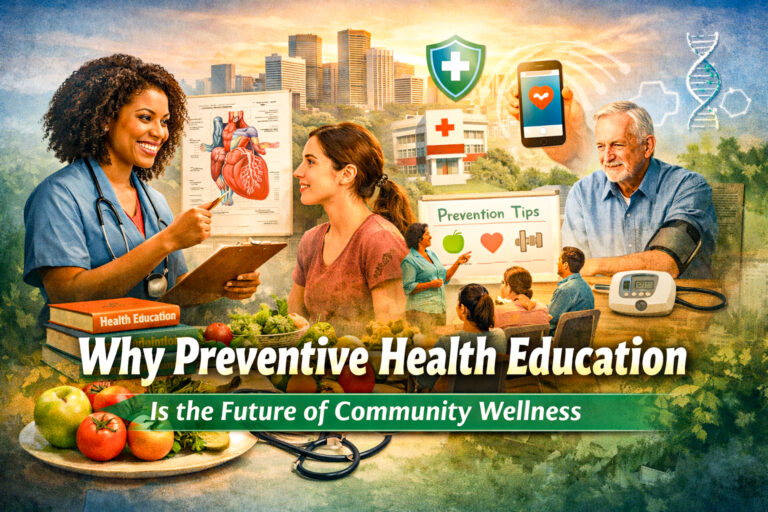
You can also read more about our approach to community health on our post about why preventive health education is the future of community wellness.
To learn more, get involved, or bring CHF’s health education programs to your community:
Visit: compassionatehealthed.org | Email: info@compassionatehealthed.org | Call: +1 (469) 679-8150
Conclusion: Superfoods for Low-Income Families Are Already Within Reach
The 7 superfoods low-income families can afford beans, eggs, sweet potatoes, oats, bananas, sardines, and garlic — are not secrets. They are not trends. They are time-tested, science-backed nutritional powerhouses that have sustained communities around the world for centuries.
What has been missing is not the food itself. What has been missing is clear, accessible, community-centered education that makes this knowledge real and usable for the families who need it most.
That is the work CHF is committed to doing every single day restoring hope through health and knowledge, one family at a time.
Share this post with a parent, a neighbor, a community leader, or anyone who could benefit from knowing that a disease-fighting diet is already within their reach.
About Compassionate HealthEd Foundation Inc. (CHF)
CHF is a Houston, Texas-based 501(c)(3) nonprofit dedicated to restoring hope through health and knowledge. We serve underserved and immigrant communities through free health outreach, nutrition education, first aid training, and women and youth empowerment programs.
Website: compassionatehealthed.org | Email: info@compassionatehealthed.org