Table of Contents
- Why Recognizing Malaria Early Saves Children’s Lives
- Sign 1: Sudden High Fever
- Sign 2: Severe Chills and Shivering
- Sign 3: Unusual Tiredness and Weakness
- Sign 4: Vomiting and Loss of Appetite
- Sign 5: Headache and Body Pain
- Sign 6: Pale Skin, Lips, or Nails
- Sign 7: Fast or Difficult Breathing
- When to Seek Emergency Help Immediately
- How to Protect Your Child From Malaria
- How CHF Supports Malaria Prevention
Why Recognizing the Early Warning Signs of Malaria in Children Matters
Knowing the early warning signs of malaria in children could be the difference between a full recovery and a tragedy no family should face. Malaria remains one of the deadliest diseases affecting children under five in sub-Saharan Africa and other tropical regions yet when caught early, it is almost always treatable.
According to the World Health Organization, a child dies from malaria approximately every two minutes. Most of these deaths happen not because treatment is unavailable, but because caregivers did not recognize the symptoms quickly enough to seek help in time.
As a parent, grandmother, teacher, or community member, you are often the first line of defense. This guide walks you through the 7 early warning signs of malaria in children in clear, practical language — so you can act fast when it matters most.
The 7 Early Warning Signs of Malaria in Children
Sign 1
Sudden High Fever — The Most Common Early Warning Sign of Malaria in Children
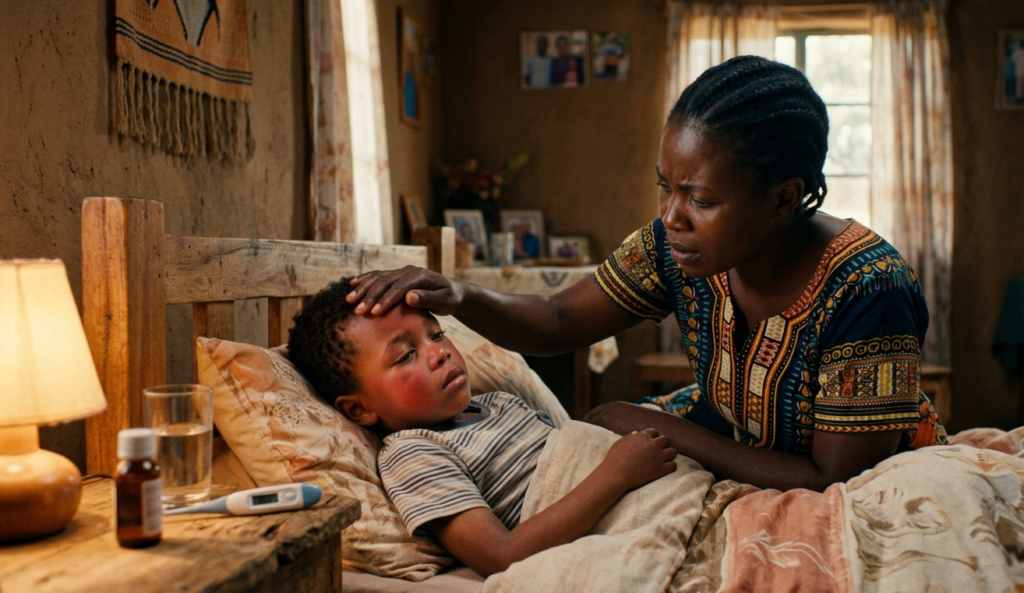
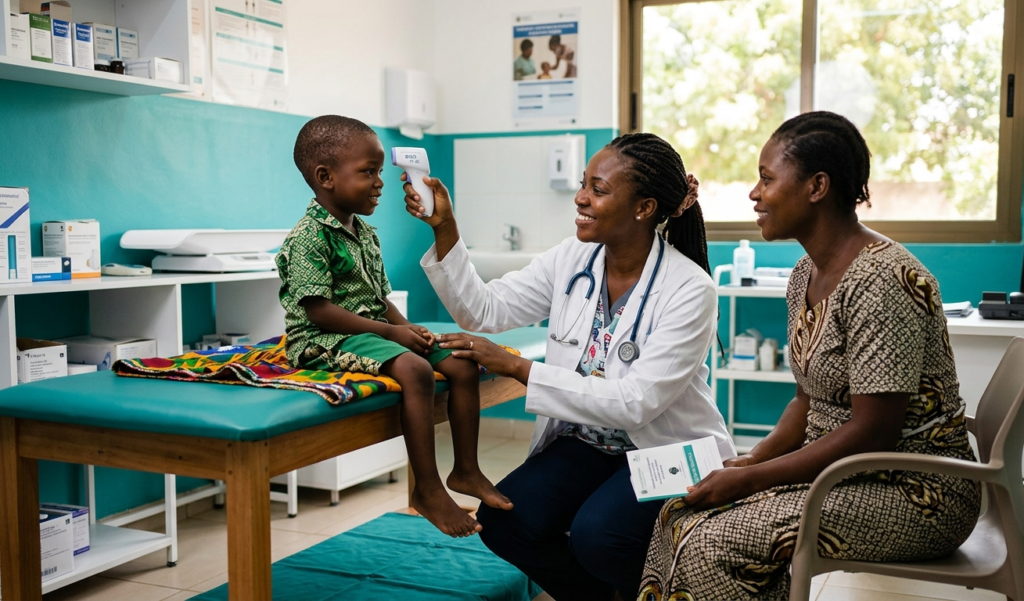
A sudden spike in body temperature often reaching 38.5°C (101.3°F) or higher is typically the very first sign that something is wrong. With malaria, the fever often comes on quickly and may fluctuate, appearing to improve and then returning with force.
Many parents mistake this for a common cold or flu. If your child develops a high fever and lives in or has recently visited a malaria-prone area, malaria should always be considered until ruled out by a test.
Sign 2
Severe Chills and Shivering
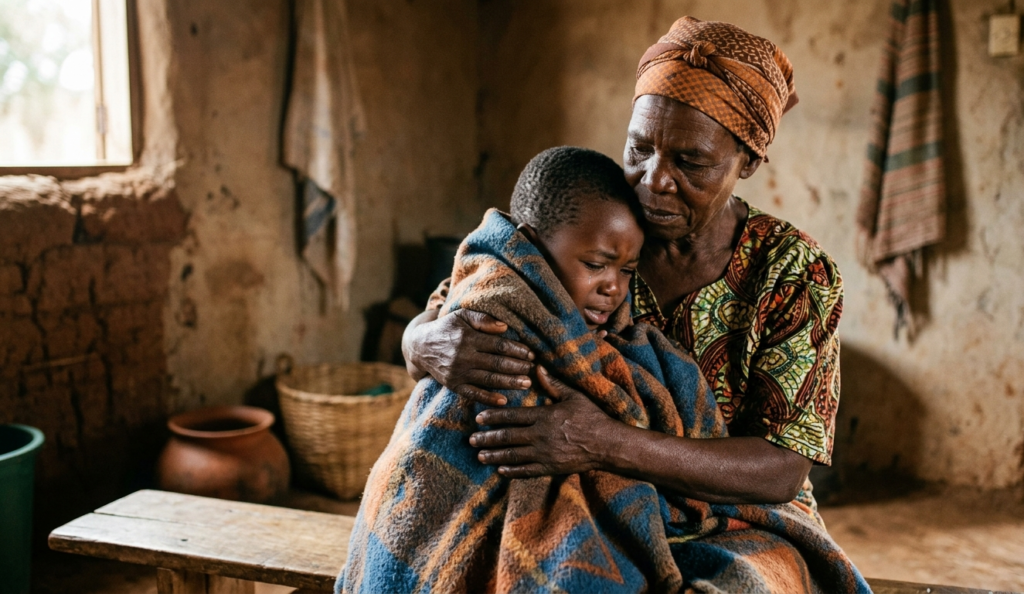
Children with malaria often experience intense cold chills and uncontrollable shivering even when the weather is warm. This happens as the malaria parasite triggers the body’s immune response in cycles. The child may shiver violently for 15–60 minutes before transitioning into a burning fever.
This cyclical pattern chills, then fever, then sweating is a hallmark of malaria and should raise immediate concern, especially in young children who cannot describe how they feel.
Sign 3
Unusual Tiredness and Weakness
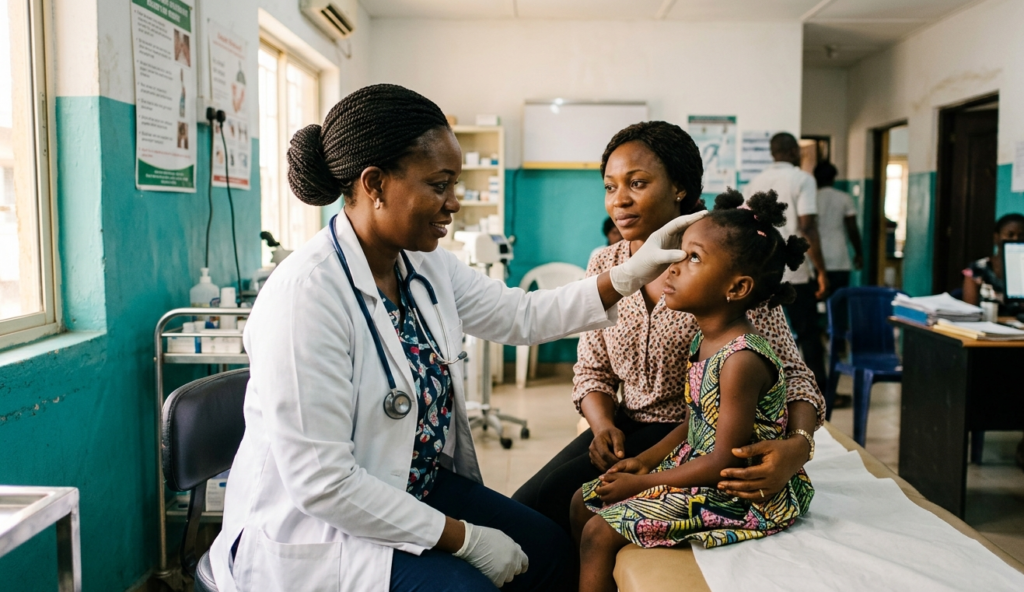
A child who suddenly becomes extremely lethargic unwilling to play, sitting very still, or difficult to wake may be showing a critical early warning sign of malaria. This unusual exhaustion happens because the malaria parasite destroys red blood cells, reducing the oxygen carried throughout the body.
If your normally active child suddenly has no energy for no apparent reason, do not dismiss it as ordinary tiredness especially during or after rainy seasons when mosquito activity peaks.
Sign 4
Vomiting and Loss of Appetite

Children with malaria frequently refuse food and water and may vomit repeatedly. This is especially dangerous because dehydration in a child with a high fever accelerates the progression of the disease. A child who vomits any medicine given at home needs urgent medical attention. Home
Sign 5
Headache and Body Pain
Older children may complain of a throbbing headache, muscle aches, or joint pain alongside their fever. Younger children who cannot speak may become unusually irritable, cry persistently, or pull at their heads. The CDC notes that body pain accompanying fever is one of the most consistent early warning signs of malaria in children across all age groups.
Sign 6
Pale Skin, Lips, or Nails — A Sign of Dangerous Anaemia
When the malaria parasite destroys red blood cells faster than the body can replace them, anaemia develops rapidly. Look at your child’s inner lower eyelid, lips, and fingernails — if they appear unusually pale or whitish instead of pink, this is a serious sign that the disease has progressed and the child needs urgent care.
Pallor combined with fever in a child should always be treated as a medical emergency, particularly in children under five.
Sign 7
Fast or Difficult Breathing
Rapid, labored, or noisy breathing in a febrile child can indicate severe malaria affecting the lungs or brain. The RBM Partnership to End Malaria identifies respiratory distress as one of the key markers that distinguish mild malaria from severe, potentially fatal malaria in children.
If a child is breathing more than 40 times per minute at rest, or if their nostrils flare with each breath, this requires emergency care without delay.
How to Protect Your Child From Malaria Every Day
Recognizing the early warning signs of malaria in children is vital — but prevention is always better than treatment. These daily habits significantly reduce your child’s risk of infection.
- Sleep under an insecticide-treated mosquito net every night without exception
- Use child-safe mosquito repellent on exposed skin during evenings and night hours
- Eliminate standing water around your home — buckets, tires, and gutters breed mosquitoes
- Dress children in long sleeves and trousers after dusk during mosquito peak hours
- Keep windows and doors screened or closed from dusk onwards
- Visit a health facility for a rapid malaria test at the first sign of fever — do not guess
- Complete the full course of any prescribed antimalarial treatment even if symptoms improve
How Compassionate HealthEd Foundation Supports Malaria Prevention
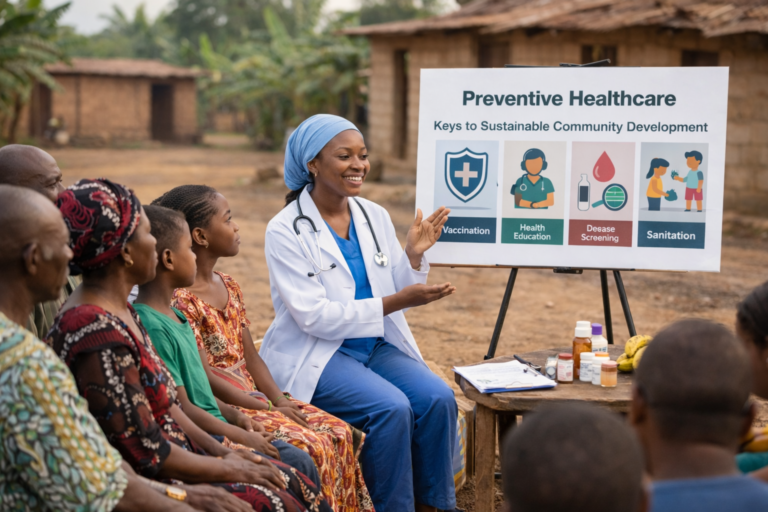
At CHF, we believe every parent deserves the knowledge and tools to protect their children from preventable diseases like malaria. Through our Community Health Outreach Program, we bring malaria education, rapid testing, and treatment referrals directly to the communities that need them most.
Our Preventive Health Education Campaigns train community members to recognize the early warning signs of malaria in children, empowering families with life-saving knowledge in their own language and context. And through our Women & Youth Empowerment Initiative, we equip mothers and caregivers with the confidence to act fast when their children’s health is at risk.
No child should die from a disease that is both preventable and treatable. With the right knowledge and timely action, families can protect their most precious ones — and CHF is committed to making that knowledge accessible to every community we serve.