
The Deep Connection Between Poor Sanitation and Community Health
Poor sanitation and community health are inseparable yet millions of families around the world live every single day without access to a clean toilet, safe water, or basic hygiene facilities. This is not a distant statistic. It is the lived reality of mothers, children, and elderly people in communities just like the ones Compassionate HealthEd Foundation serves.
When we talk about poor sanitation, we mean the absence of clean water for handwashing, open defecation in fields and roadsides, broken or nonexistent drainage systems, and waste disposal that poisons soil and water sources. According to the World Health Organization, approximately 3.6 billion people globally still lack safely managed sanitation. That number is staggering and its consequences are even more so.
In this post, we walk through the 8 real, heartbreaking, and often invisible ways that poor sanitation and community health are locked in a devastating cycle and what we can do together to break it.
The 8 Hidden Costs of Poor Sanitation on Community Health
Cost 1
Waterborne Disease Outbreaks Tear Through Families
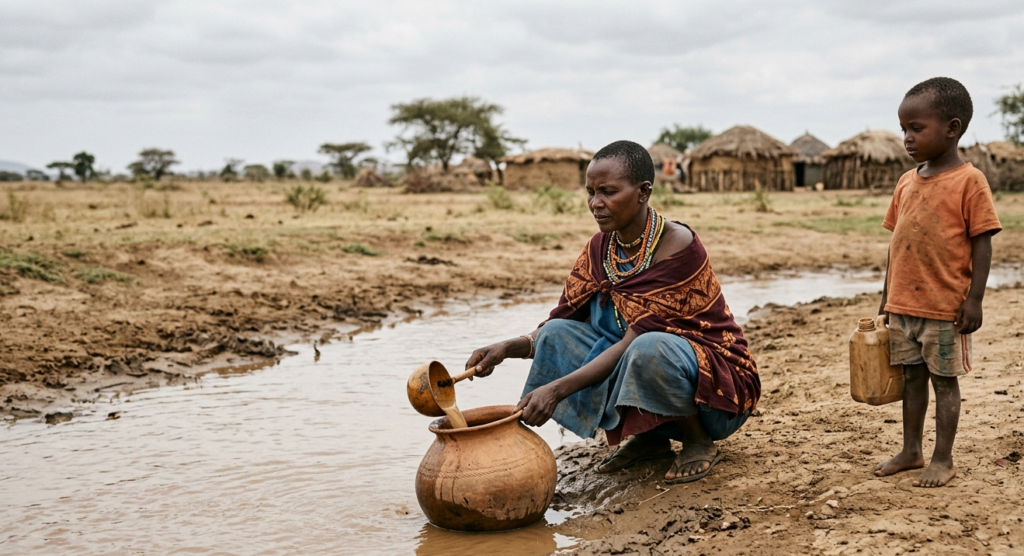
When human waste contaminates drinking water sources which happens daily in communities without proper sanitation infrastructure diseases like cholera, typhoid, and dysentery spread with terrifying speed. A single contaminated well can sicken an entire village within days.
Children are especially vulnerable. Their immune systems are still developing, making a bout of cholera or severe diarrhoea potentially fatal within hours without treatment. The link between poor sanitation and community health is perhaps most visible here: families who cannot afford medical care watch preventable illness claim their loved ones year after year.
Cost 2
Child Stunting and Malnutrition Are Fuelled by Poor Sanitation
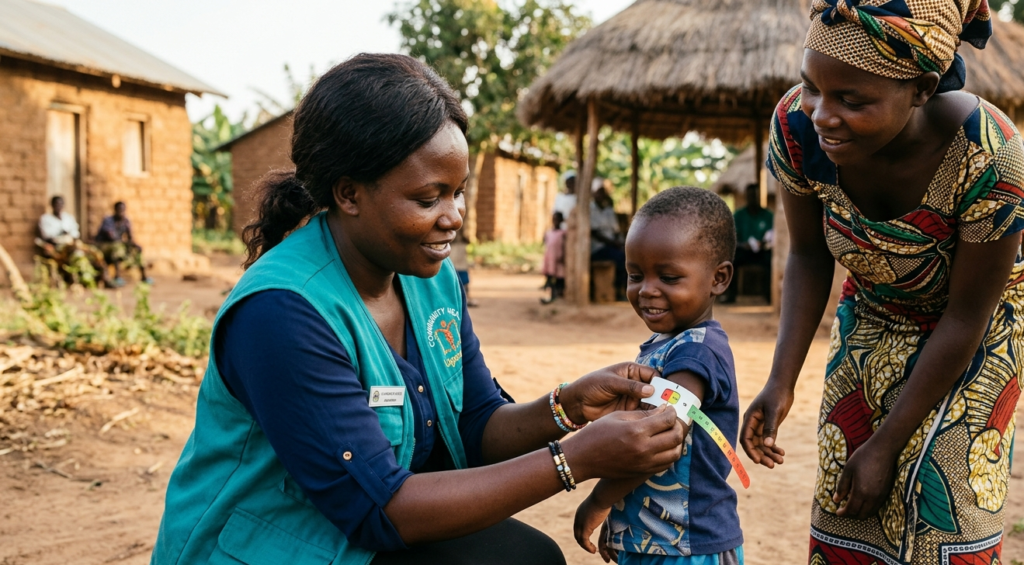
Many people are surprised to learn that child malnutrition is not only a food problem it is a sanitation problem. When children repeatedly suffer from intestinal infections caused by contaminated environments, their bodies cannot absorb nutrients properly, even when food is available.
UNICEF reports that up to 50% of child malnutrition globally is linked to repeated intestinal infections from poor sanitation. Stunted children grow up with compromised cognitive development, reduced earning potential, and weaker immune systems passing on a burden that lasts a lifetime.
Cost 3
Maternal and Newborn Deaths Rise Without Safe Sanitation
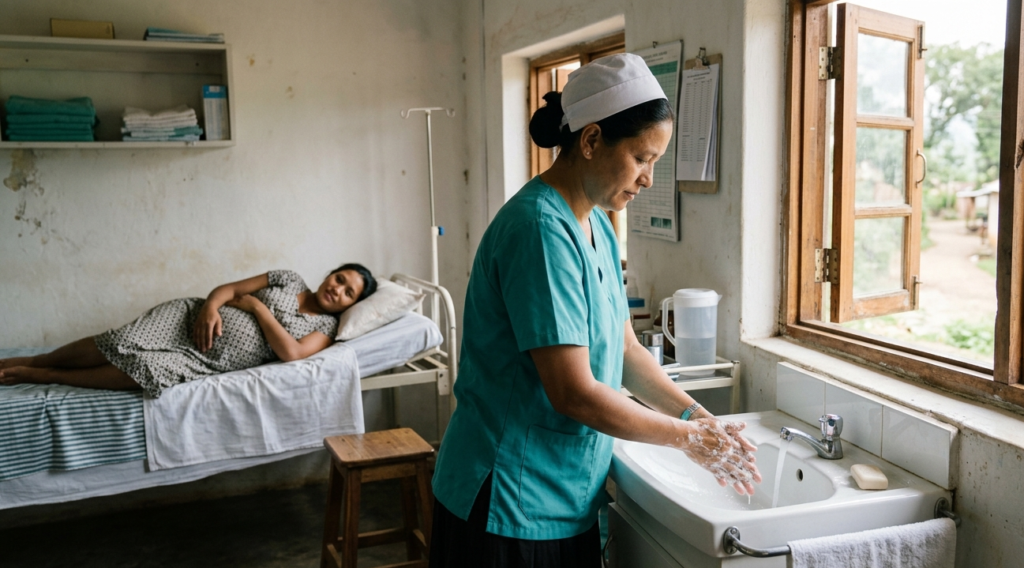
Childbirth in settings without clean water, sterile surfaces, or proper waste disposal becomes a dangerous gamble. Infections like sepsis caused by unsterile birthing conditions are among the leading killers of new mothers and newborns in low-income communities.
When midwives and birth attendants cannot wash their hands properly, when birthing rooms share walls with open drains, and when postnatal care happens in contaminated environments, the risk multiplies. Improving poor sanitation and community health conditions in maternal settings alone could prevent hundreds of thousands of deaths each year.
Cost 4
Children Miss School — Robbing Them of Their Future
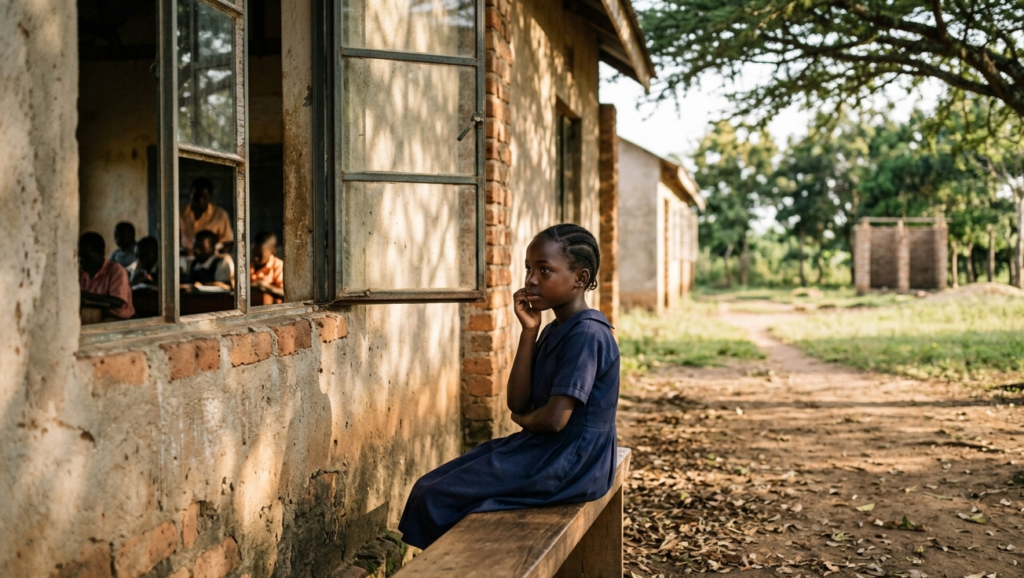
Schools without toilets, particularly for girls, see dramatically higher dropout rates. When a young girl has no private, safe place to manage her menstrual hygiene at school, she stays home. Days become weeks, and weeks become permanent absence.
Boys are not spared either. Frequent illness caused by poor sanitation and community health failures keeps children home from classrooms at critical developmental stages. The result is a generation that never reaches its educational potential not because of lack of intelligence, but because of the absence of a clean toilet.
Cost 5
Mental Health Quietly Crumbles Under the Weight of Indignity
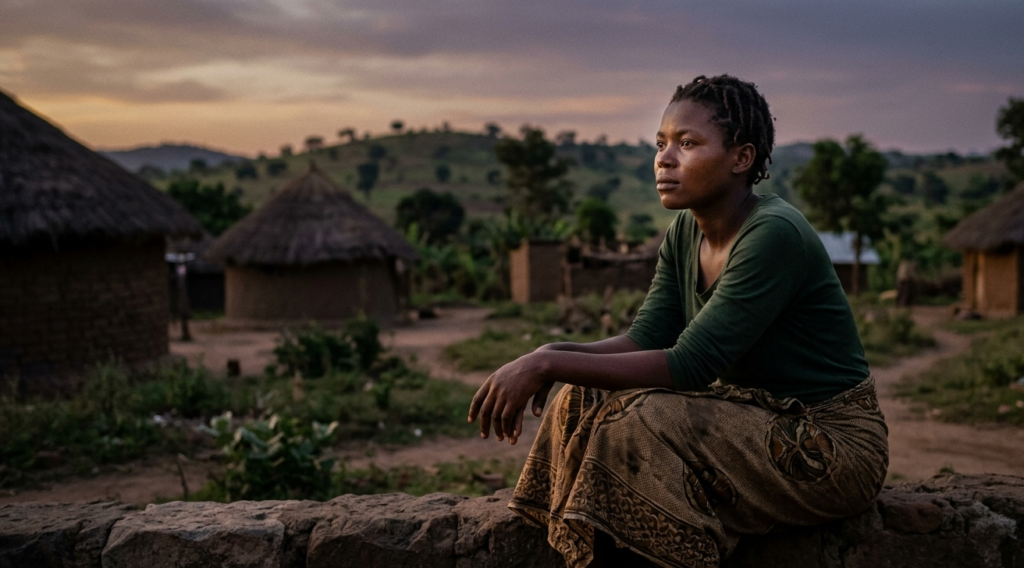
We rarely speak about the emotional toll of poor sanitation but it is profound. Having no private toilet forces families, especially women and girls, to defecate in the open at night to avoid harassment and shame. This daily vulnerability breeds chronic anxiety, depression, and post-traumatic stress.
The shame of living in unsanitary conditions also isolates communities from the wider world, deepening social stigma and reducing the likelihood that people will seek healthcare when they need it. The relationship between poor sanitation and community health is not only physical it is deeply emotional and psychological.
Cost 6
Economic Productivity Collapses When Communities Are Sick
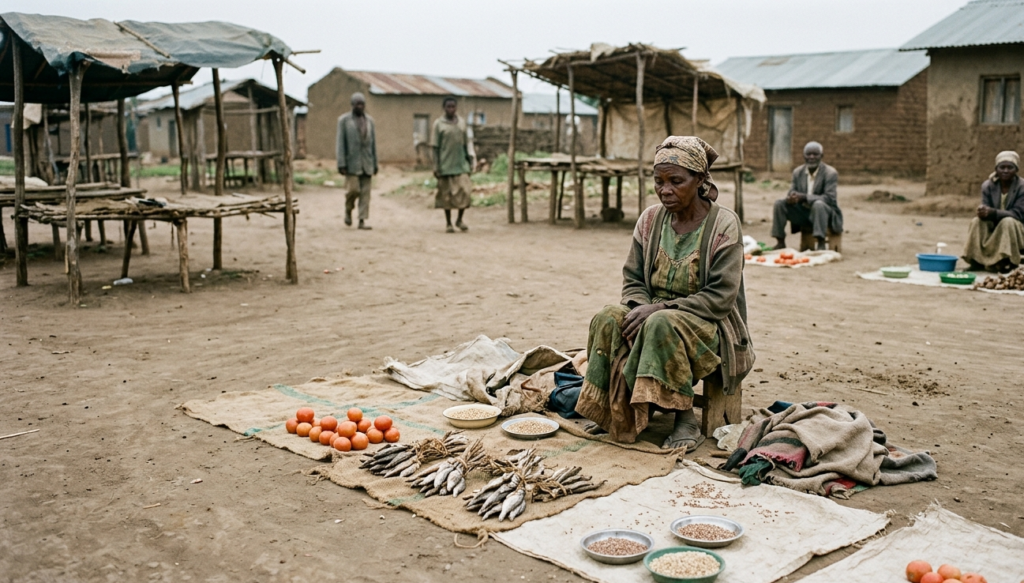
Illness caused by poor sanitation does not just harm individuals it drains entire local economies. When breadwinners are sick, fields go untended, market stalls sit empty, and children grow up without the nutrition or education needed to contribute to their communities.
WaterAid estimates that poor sanitation costs the global economy over $200 billion annually in lost productivity, healthcare costs, and premature deaths. For communities already teetering on the edge of poverty, this is a cost they simply cannot afford to keep paying.
Cost 7
Antimicrobial Resistance Grows Silently in Unsanitary Environments
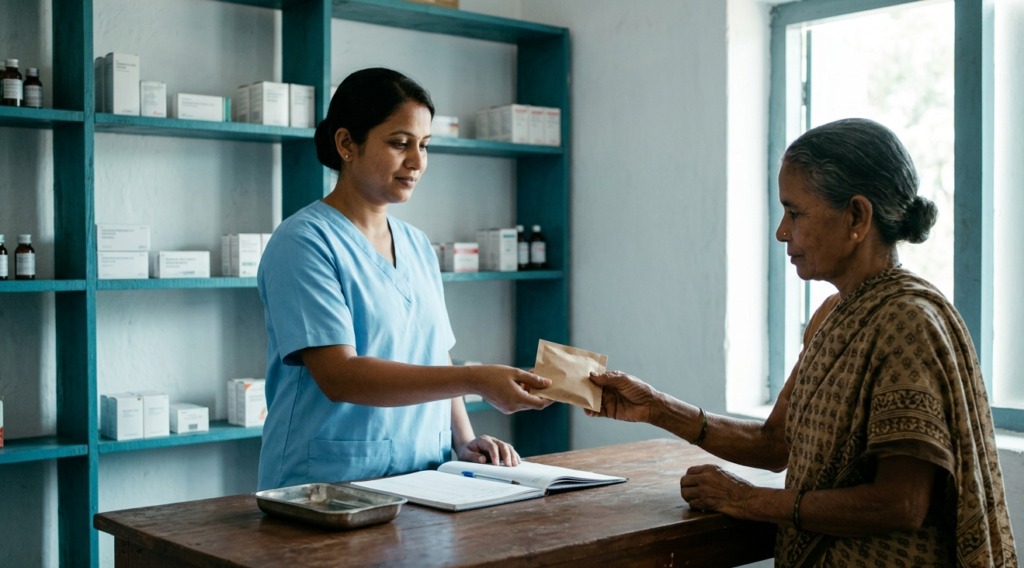
Here is a cost few people talk about: poor sanitation accelerates antimicrobial resistance (AMR). When communities have repeated infections and limited access to healthcare, antibiotics are often misused or overused creating bacteria that no longer respond to treatment.
Unsanitary environments where human and animal waste mix with water sources also provide the perfect breeding ground for resistant pathogens. The connection between poor sanitation and community health therefore extends far beyond local communities it is a global public health threat that begins in the absence of a clean toilet.
Cost 8
Generational Cycles of Poverty Are Locked In
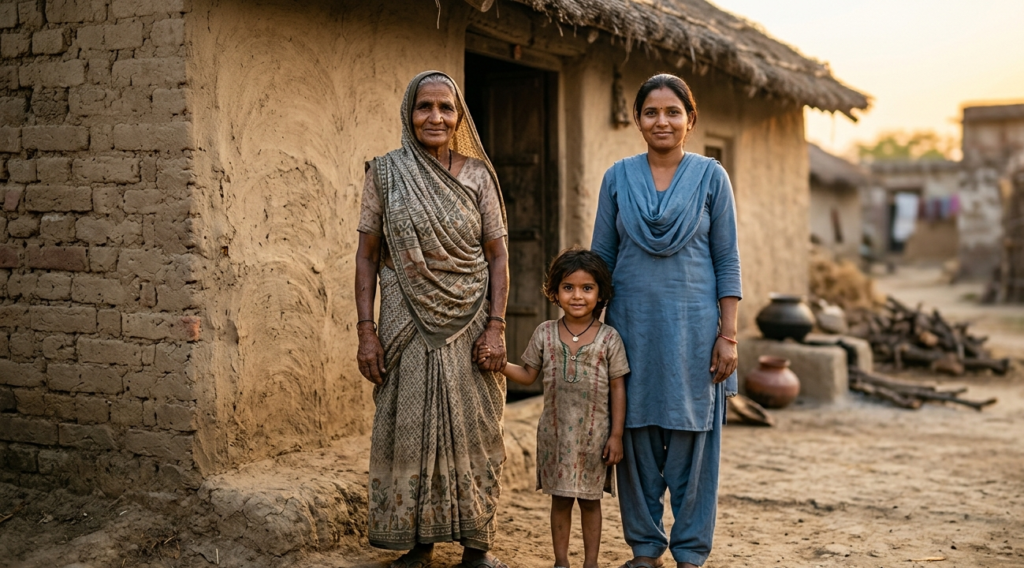
Perhaps the most heartbreaking cost of all is the one that outlasts a single lifetime. When children grow up stunted, undereducated, chronically ill, and emotionally scarred by the indignity of poor sanitation, they are far less likely to escape poverty as adults.
They raise children in the same conditions. Those children carry the same burdens. The cycle repeats not because families lack the will to change, but because no one has ever invested in the basic infrastructure that makes change possible. Breaking the cycle of poor sanitation and community health inequality is not charity it is justice.
“Sanitation is more important than independence. The day we finish sanitation will be a great day.”Mahatma Gandhi, as cited by WHO Sanitation Reports
How Compassionate HealthEd Foundation Is Helping Communities Reclaim Their Health
At CHF, we understand that addressing poor sanitation and community health requires more than infrastructure it requires education, empowerment, and compassion. Our approach works on multiple levels simultaneously.
Through our Preventive Health Education Campaigns, we bring practical hygiene education directly into schools, homes, and community centres teaching handwashing, safe water storage, food hygiene, and sanitation habits that save lives. Our Women & Youth Empowerment Initiative specifically addresses the particular burdens that poor sanitation places on women and girls, giving them knowledge and dignity.
Looking ahead, CHF’s Community Care Infrastructure Project will ensure that the communities we serve have access to facilities that make healthy lives possible because every person deserves to live with dignity.
Here is how our health education addresses poor sanitation directly:
- Handwashing technique training in schools and community gatherings
- Safe water collection, storage, and treatment education for households
- Menstrual hygiene management sessions for adolescent girls
- Food hygiene and safe cooking practice workshops
- Community mapping of water sources and sanitation risks
- Referral pathways for families needing additional sanitation support
What Every Family Can Do Today — and How You Can Help
If you live in a community with access to clean water and private sanitation, today is a good day to be grateful. And if you are a family facing these challenges, know that you are not alone and that change is possible.
Small steps matter enormously. Washing hands with soap before eating and after using the toilet. Boiling or treating drinking water before consuming it. Keeping food covered and away from waste. Talking to children openly about hygiene without shame. These habits, taught consistently, genuinely save lives.
But individual action is not enough. The connection between poor sanitation and community health is a structural problem that requires structural solutions clean water infrastructure, community health education, and organizations willing to show up for families who have been left behind.
That is exactly what CHF is committed to. If this post has moved you, we invite you to be part of the solution. Get involved with CHF as a donor, volunteer, or partner and help us bring health, hope, and dignity to communities that deserve nothing less.